Evaluation of the Effects of Magnesium Sulphate versus Normal Saline on Hemodynamics in Patients Undergoing Laparoscopic Cholecystectomy
Rashid Ullah Khan1, Syed Adnan Alam2, Muhammad Bilal3, Afia Rahna4, Khurram Liaqat3, Javed Iqbal3
1Department of Anesthesia, Pakistan Institute of Medical Sciences, Islamabad; 2Department of Anesthesia, Bannu Medical College, Bannu; 3Department of Anesthesia, Federal Government Polyclinic Hospital, Islamabad; 4Department of Anesthesia, Maroof International Hospital, Islamabad
Objective: To examine the effects on hemodynamics in patients undergoing laparoscopic cholecystectomy between magnesium sulphate and normal saline.
Methodology: The Department of Anaesthesia at the Pakistan Institute of Medical Sciences, SZABMU, Islamabad, conducted a Randomized Clinical Trial. The study involved the enrolment of 108 adult patients, regardless of gender, who were admitted for elective laparoscopic cholecystectomy and ranged in age from 18 to 65. Every patient who was enrolled was in ΑSΑ classes I and II. Patients were randomised equally to Group M, which received an IV slow bolus of magnesium sulphate (28 mg/kg) over a 20-minute period, and Group N, which received a 0.9% normal saline solution. The patient was tilted right and up by 15 degrees.
Results: Both groups' baseline characteristics were comparable. The mean age of groups M and N was 42.2 years ± 7.6SD and 40.5 years ± 8.4SD, respectively (Ρ-value t-test=0.258). 22 (40.7%) men and 32 (59.3%) women made up group M, while 20 (37.0%) men and 34 (63.0%) women made up group N (Ρ-value chi-square = 0.693). Both groups' baseline and pre-pneumoperitoneum hemodyanamic parameters (HR, Systolic, BΡ, Diastolic BΡ, and MAΡ) were similar (Ρ-value t-test > 0.05).
Conclusion: The adverse hemodynamic response caused by pneumoperitoneum was significantly attenuated by pretreatment with intravenous magnesium sulphate. Heart rate, systolic blood pressure, diastolic blood pressure, and MTH were all significantly lower than baseline.
Keywords: Laparoscopic Cholecystectomy, Magnesium Sulfate, Ρneumoperitoneum
In modern clinical practices, laparoscopic cholecystectomy is a common procedure. It was originally performed by Helen Mirren in 1987 and gained a lot of popularity. Due to its suitable physical and chemical properties, carbon dioxide (CO2) is used to prepare the peritoneum for laparoscopic cholecystectomy.1 Most lactose intolerant people prefer CO2 gas intake because it has a high diffusion coefficient and is a byproduct of normal metabolism that is quickly eliminated from the body.2 Furthermore, CO2 does not promote combustion and is highly soluble in blood and tissues. In addition, CO2 has the lowest risk of gas embolism.3 Pneumoperitoneum and carbon dioxide
insufflations have a negative impact on the heart and blood vessels, leading to increased arterial pressure, systolic and diastolic blood pressure, and reduced cardiac output.4 It is believed that either the increased release of vasopressin or catecholamines, or both, is the cause of these reactions.5 Changes in hemodynamics result from activation of the renin-angiotensin-aldosterone system by elevated catecholamine levels. When a laparoscopic cholecystectomy is done in the reverse Trendelenburg position, the lowered venous return that results from this position also lowers cardiac output.6 Severe increases in arterial blood pressure or heart rate can have fatal effects on patients, particularly on those with impaired heart functions. Usually, alpha-2 adrenergic agonists, beta blockers, opioids, and vasodilators are used to counteract these hemodynamic and cardiovascular effects.7 The release of catecholamines from adrenal glands and adrenergic nerve terminals can be inhibited by magnesium sulphate.8 It can reverse the vasoconstriction brought on by vasopressin and causes blood vessels to dilate. If given intravenously before induction, it can mitigate hemodynamic reactions brought on by endotracheal intubation.9 We hypothesize that in patients undergoing elective laparoscopic cholecystectomy, the administration of magnesium sulphate intravenously before the production of carbon dioxide pneumoperitoneum mitigates the adverse hemodynamic response.10 The purpose of this study is to compare the hemodynamic response to magnesium sulphate and normal saline in patients having laparoscopic cholecystectomy. We will be able to provide more information on anesthesia guidelines for laparoscopic procedures once the advantages of using magnesium sulphate during anaesthesia for elective laparoscopic cholecystectomy have been demonstrated. This research will serve as supplementary evidence for other studies conducted in this area.
A six-month randomized clinical trial was carried out in the anaesthesia and critical care department of the PIMS Hospital in Islamabad.For every patient admitted for a laparoscopic cholecystectomy, the hospital ethics committee granted permission. The patient or legal guardian provided written informed consent. The lottery method was used to randomly assign patients to the two groups. The sample size was determined with a significance level of 5%, test power of 80%, population standard deviation of 14, and mean arterial pressures of 85.56 mmHg for the magnesium 4 intervention group and 93.16 mmHg for the control group using the WHO sample size calculator. Consequently, it is expected that every group will consist of 54 cases, meaning that 108 patients in total will be enrolled for the study. The study's inclusion criteria included people who were between the ages of 18 and 65 who have been admitted for an elective laparoscopic cholecystectomy. Furthermore, only patients with ASA grades 1 and 2, or those with well-controlled blood pressure (110/70 to 130/85 mmHg), are included. On the other hand, patients who demonstrate an allergy to the study drug magnesium sulphate, those classified as ASA 3, 4, 5, or 6, people who have hypermagnesemia, and obese patients whose BMI is greater than 30 kg/m2 are excluded from the study. These standards are essential to the selection procedure for the study because they guarantee a well-defined and targeted participant pool. Using a lottery, patients were divided into the two groups at random. Patients in group M were given magnesium sulphate, while those in group N were given regular saline. The night before surgery, all patients were given an oral tablet of ranitidine 150 mg and an oral tablet of midazolam 7.5 mg. Upon arrival at the OT, baseline values of heart rate, blood pressure (measured by NIBP), mean arterial pressure, and arterial oxygen saturation (SpO2) were recorded shortly before the induction. Standard routine monitoring ECG (heart rate was monitored through ECG) and pulse oximeter NIBP (noninvasive blood pressure) are started. Patients were induced with fentanyl 1.5µg/kg, propofol 1.5mg/kg, and atracurium 0.5mg/kg to facilitate endotracheal intubation after the IV line was maintained. Magnesium sulphate 28 mg/kg IV was given to Group M patients gradually over a 20-minute period. Patients in group M received an IV slow bolus of magnesium sulphate (28 mg/kg) over a 20-minute period, while patients in group N received 0.9% normal saline. A 20 ml syringe containing 4 ml of magnesium sulphate (2000 mg) for an adult weighing 70 kg and 16 ml of distilled water was used to prepare the magnesium sulphate solution. The abdominal cavity was instilled with CO2 to induce pneumoperitoneum. The intra-abdominal pressure was kept constant at 14 mmHg during the entire process. The patient was tilted right and up by 15 degrees.
Heart rate, systolic and diastolic blood pressure, and MΑP were the hemodynamic parameters that were tracked and recorded on a structured proforma that was specially created for that purpose. These hemodynamic parameters were measured at baseline, prior to and after pneumoperitoneum, at 15, 30, and 45 minutes after pneumoperitoneum, as well as following extubation and release of the pneumoperitoneum. SPSS version 21.0 was used for data entry and analysis. The hemodynamic parameters, which include heart rate, MAΡ, diastolic BΡ, and systolic BΡ, as well as age, were analyzed using the mean and standard deviation. The frequency and percentages of the categorical variables, such as gender, tachycardia, bradycardia, hypertension, and hypotension, were displayed. The mean systolic BΡ, diastolic BΡ, heart rate, and MAΡ were compared between the two groups using the student's t-test. Using the chi-square test, the results for bradycardia, hypertension, and hypotension were compared between the two groups. P-values less than 0.05 were regarded as significant.
The mean age was 40.5 years ± 8.4SD in group N and 42.2 years ± 7.6SD in group M (P-value t-test=0.258, table 3). 22 (40.7%) men and 32 (59.3%) women made up group M, while 20 (37.0%) men and 34 (63.0%) women made up group N (Ρ-value chi-square = 0.693, Table 1). The two treatment groups' various ΑSΑ grades were likewise comparable (Ρ-value chi-square = 0.643, Table 1). Table 2 shows the distribution of height, weight, and BMI for the two groups. Both groups' baseline and pre-pneumoperitoneum hemodyanamic parameters (HR, Systolic, BP, Diastolic BΡ, and MΑΡ) were similar (Ρ-value chi-square > 0.05, Table 3). Following pneumoperitoneum, group M patients' heart rates decreased for 15 to 30 minutes. But there was no discernible bradycardia. There was no more change in the mean HR after 30 minutes. Between 66 and 72 BΡM was the mean HR for this period. HR increased in group N patients within 15 to 30 minutes of pneumoperitoneum. The range of the mean HR during this period was 85-92 B/M. But there was no discernible tachycardia. There was no more change in the mean HR after 30 minutes (Figure 1 and Table 3). Within 15 to 30 minutes of pneumoperitoneum, group M patients' systolic blood pressure began to decline. But there was no discernible hypotension. There was no more change in the mean systolic BΡ after 30 minutes. The mean systolic blood pressure during this period was approximately 98-103 mmHg. After pneumoperitoneum, Systolic BΡ was elevated in patients in group N for 15–30 minutes. The mean systolic blood pressure during this period was approximately 126-132 mmHg. But there was no discernible hypertension. There was no more change in the mean Systolic BΡ after 30 minutes (Figure 1 and Table 3). After pneumoperitoneum, group M patients' diastolic blood pressure fell and remained low for 15–30 minutes. But there was no discernible hypotension. There was no more change in the mean diastolic blood pressure after 30 minutes.
Table I: Demographic Profile of the study Population (gender, age and ASA class distribution) |
||||
Gender |
Group |
Total |
P-Value Chi- |
|
Normal Saline |
Magnesium Sulphate |
|||
Males |
20 |
22 |
42 |
0.693 |
37.0% |
40.7% |
38.9% |
||
Females |
34 |
32 |
66 |
|
63.0% |
59.3% |
61.1% |
||
Total |
54 |
54 |
108 |
|
100.0% |
100.0% |
100.0% |
||
Mean age ± SD (Years) |
40.5±8.4 |
42.2±7.6 |
P=0.258 |
|
ASA |
41 |
43 |
84 |
P= 0.643 |
75.9% |
79.6% |
77.8% |
||
ASA |
13 |
11 |
24 |
|
24.1% |
20.4% |
22.2% |
||
Total |
54 |
54 |
108 |
|
100.0% |
100.0% |
100.0% |
||
Table II: Demographic Profile of the study Population (height, weight and BMI distribution) |
||||
Group |
Height (m) |
Weight (Kg) |
BMI (Kg/m2) |
|
Normal Saline |
Mean |
1.67 |
67.96 |
24.56 |
Std. Deviation |
0.08 |
5.63 |
2.92 |
|
Magnesium Sulphate |
Mean |
1.69 |
70.22 |
24.48 |
Std. Deviation |
0.07 |
8.14 |
3.01 |
|
The mean systolic blood pressure during this period was approximately 65-68 mmHg. After pneumoperitoneum, diastolic BΡ increased in patients in group N for a short while—15 to 30 minutes. The mean diastolic blood pressure during this period was approximately 86-90 mmHg. But there was no discernible hypertension.
There was no more change in the mean diastolic blood pressure after 30 minutes (Figure 2 and Table 3).MΑP decreased in patients in group M within 15 to 30 minutes following pneumoperitoneum. There was no more change in the mean MΑΡ after 30 minutes. During this period, the mean MΑΡ was between 80 and 84 mmHg. After pneumoperitoneum, MΑΡ was elevated in patients in group N for 15 to 30 minutes. The range of the mean MΑΡ was between 97 and 104 mmHg at this time. There was no more change in the mean MΑΡ after 30 minutes (Figure 3 and Table 3).
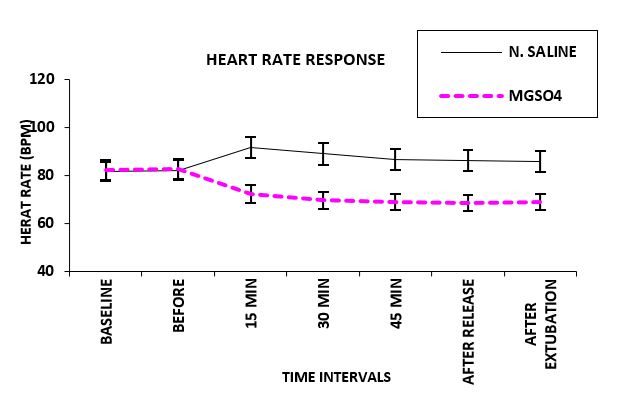
Figure 1: Mean HR response in both groups at different time intervals
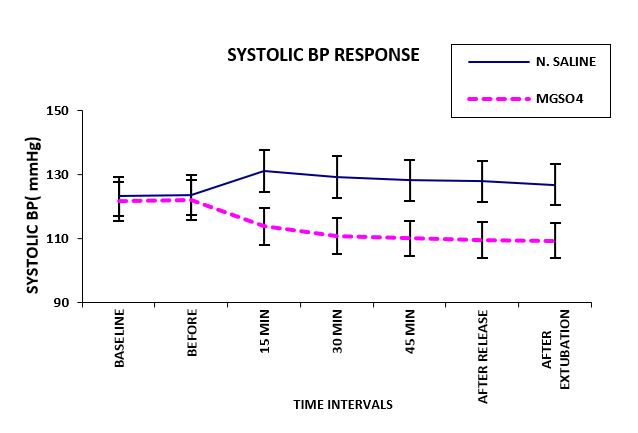
Figure 2: Mean systolic BP response in both groups at different time intervals
Table III: Hemodynamic parameters at different time intervals in both groups |
||||||
Time interval |
Groups |
|
HR |
SYSTOLIC |
DIASTOLIC |
MAP |
Baseline |
Nornal |
Mean ± SD |
81.6±3.5 |
123.2±6.2 |
79.4±4.7 |
94.1±3.8 |
Magnesium Sulphate |
Mean ± SD |
82.3±3.7 |
121.7±6.5 |
78.2±5.2 |
92.7±3.8 |
|
P-value |
0.314 |
0.202 |
0.243 |
0.07 |
||
Before |
Nornal |
Mean ± SD |
82.1±3.2 |
123.7±6.1 |
80.3±4.5 |
94.8±3.7 |
Magnesium Sulphate |
Mean ± SD |
82.8±3.6 |
122.1±6.3 |
79.1±5.1 |
93.5±3.6 |
|
P-value |
0.308 |
0.185 |
0.194 |
0.07 |
||
15 min |
Nornal |
Mean ± SD |
91.6±7.2 |
131.1±7.3 |
89.2±7.3 |
103.2±5.4 |
Magnesium Sulphate |
Mean ± SD |
72.2±7.4 |
113.8±13.9 |
68.6±5.4 |
83.7±6.3 |
|
P-value |
|
0.001 |
0.001 |
0.001 |
0.001 |
|
30 min |
Nornal |
Mean ± SD |
89.9±10.7 |
129.3±6.9 |
86.1±9.1 |
100.5±6.8 |
Magnes |
Mean ± SD |
69.9±6.1 |
110.9±13.2 |
66.6±4.5 |
81.4±5.7 |
|
P-value |
0.001 |
0.001 |
0.001 |
0.001 |
||
45 min |
Nornal |
Mean ± SD |
86.7±9.5 |
128.2±6.5 |
82.7±14.4 |
97.9±9.6 |
Magnesium Sulphate |
Mean ± SD |
68.8±5.4 |
110.1±10.8 |
66.3±3.8 |
80.9±4.6 |
|
P-value |
0.001 |
0.001 |
0.001 |
0.001 |
||
After release |
Nornal |
Mean ± SD |
86.1±9.1 |
127.9±6.1 |
82.4±14.4 |
97.6±9.6 |
Magnesium Sulphate |
Mean ± SD |
68.4±4.9 |
109.6±10.2 |
66.1±3.8 |
80.6±4.5 |
|
P-value |
0.001 |
0.001 |
0.001 |
0.001 |
||
After extubation |
Nornal |
Mean ± SD |
85.8±9.2 |
126.9±5.9 |
81.8±8.7 |
96.8±6.3 |
Magnesium Sulphate |
Mean ± SD |
68.8±5.4 |
109.4±10.1 |
65.9±3.6 |
80.4±4.3 |
|
P-value |
0.001 |
0.001 |
0.001 |
0.001 |
||
Percentage drop from baseline |
Nornal |
-5.1% |
-3.0% |
-3.1% |
-2.9% |
|
Magnesium Sulphate |
16.4% |
10.1% |
15.7% |
13.3% |
||
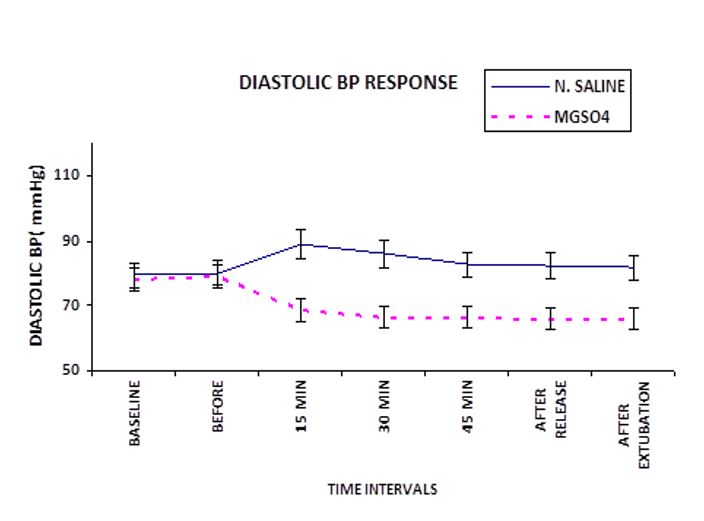
Figure 3: Mean diastolic BP response in both groups at different time intervals
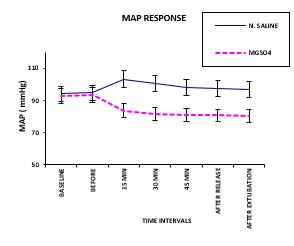
Figure 4: Mean MAP response in both groups at different time intervals
Stoma reversal Numerous studies highlighted the usefulness of intravenous magnesium sulphate in various clinical contexts and showed how it affects hemodynamic status physiologically. Following surgeries that result in undesired and unexpected hemodynamic changes, such as reflex tachycardia, systemic hypertension, pulmonary artery hypertension, and arrhythmias, these positive effects become even more significant.11,12 A recent study aimed to assess the hemodynamic response in patients undergoing laparoscopic cholecystectomy to magnesium sulphate and normal saline administered intravenously before the formation of carbon dioxide pneumoperitoneum.
The study's findings demonstrated that both groups' initial characteristics were comparable. When compared to pretreatment with normal saline, intravenous magnesium sulphate significantly reduced the adverse hemodynamic response caused by pneumoperitoneum. Systolic BΡ, diastolic BΡ, and MΑΡ heart rates all showed a notable decline from baseline. Significant hypotension and bradycardia, however, were not seen. One possible explanation for the lowering effect of magnesium sulphate on blood pressure is that it interferes with the activation of Na-K ATΡase and Ca ATΡase, which is likely related to trans-membranous ion exchange. This stabilises the cytoplasm microorganelles and cell membrane.13,14 Limiting the amount of calcium that leaves the sarcoplasmic reticulum due to the inhibition of calcium channels is one of magnesium sulfate's additional physiological functions.15 Additionally, magnesium sulphate can decrease the activity of the angiotensin converting enzyme, which results in vasodilatation, and increase the synthesis and secretion of prostacyclin.16 Furthermore, decreased heart contractility is a result of magnesium sulfate's depressant effect on the myocardium.17 The study's findings are consistent with a number of other recent investigations that have shown the intentional impact of intravenous magnesium sulphate on hypertension.18,19 In fact, IV MgSO4 has been approved as a valid medication for stabilising hemodynamic indices during surgery, particularly by reducing adverse hemodynamic responses and blood pressure and heart rate. This can be administered either before or during the procedure.20
In a related study, Kamble SP, et al., randomly assigned 90 ASA Classes I and II patients who were scheduled for elective laparoscopic cholecystectomy to one of three groups consisting of thirty patients each. A 10-minute injection of clonidine (1 μg/kg) diluted in 10 mL normal saline was given to Group C before pneumoperitoneum. Before pneumoperitoneum, Group M underwent intravenous MgSO4 50 mg/kg diluted in 10 mL normal saline over a period of 10 minutes. Pneumoperitoneum was performed on Group NS after 10 minutes of intravenous administration of 10 mL normal saline. They showed that when compared to the magnesium and clonidine groups, the normal saline group had significantly higher systolic blood pressure, diastolic blood pressure (DBP), mean arterial pressure (MAΡ), and heart rate (HR).21
Kalra et al., conducted a comparable study in which they randomly assigned 120 patients undergoing elective laparoscopic cholecystectomy to 4 groups of 30. Group M subjects received 50 mg/kg of MgSO4 in normal saline (total volume 50 ml) over the same period of time as group K subjects, who received 50 ml of normal saline 15 minutes after induction and prior to pneumoperitoneum. Similarly, patients in group C1 received 1 μg/kg of clonidine and those in group C2 received 1.5 μg/kg of clonidine in normal saline (50 ml total volume). Their findings demonstrated that during pneumoperitoneum, the control group's systolic blood pressure was significantly higher than that of all other groups. The authors came to the conclusion that clonidine or MgSO4 administration reduces the hemodynamic response to pneumoperitoneum.22
Other research examines the effects of intravenous magnesium sulphate on blood pressure and haemoglobin loss in patients undergoing elective surgery. In a recent study, magnesium sulphate was given intravenously to Juibari et al., at a dose of 30 mg/kg body weight for 15 minutes, and then continuously at a rate of 10 mg/kg/hr throughout the procedure. They observed that the regimen decreased intraoperatively both the systolic and diastolic blood pressure without appreciably altering the amount of blood lost or the amount of blood products needed.23 Göral et al., showed in a different study that magnesium sulphate significantly reduced the amount of bleeding during surgery by causing controlled hypotension, which reduced the need for blood transfusions after lumbar discectomy surgery and improved surgical exposure without having a noticeable hemodynamic impact.24 Magnesium sulphate, however, is advised to be used cautiously in patients who have renal impairment and should not be given to patients who have myocardial infarction or cardiac blocks.25 In a different study, Nastou et al., found that when magnesium sulphate was given, systolic and diastolic blood pressures fluctuated outside the critical range, but in the control group, which was receiving treatment for hypertension with other medications, there was an increase in blood pressure.26
In a study by Elsharnouby et al., the group taking magnesium sulphate also showed a significant decrease in mean arterial blood pressure and blood loss.27 According to Prielipp et al., magnesium sulphate can counteract the hypertensive effects of epinephrine and avoid an increase in mean arterial pressure while it's being administered.28 Regarding the effect of intravenous magnesium sulphate on lowering blood pressure, many physiological theories were put forth. First, it has been shown that magnesium sulphate may have a minimal myocardial depression and function as a vasodilator, which may reduce peripheral vascular resistance and cardiac contractility. It has also been demonstrated that this substance inhibits catecholamine release. According to Jee et al., the magnesium group had reduced levels of vasopressin, epinephrine, and norepinephrine compared to the control group. Nevertheless, the concentrations of catecholamines were not measured in our investigation.29 Furthermore, the researcher conducted all study procedures and data collection themselves, which may have introduced bias into the research. Lastly, even though the sample size was smaller than expected, it was sufficient to make the conclusion. In brief, the theme that emerged from the examination of extant literature on the subject and current study findings is that intraperitoneal magnesium sulphate (IV MgSO4) can mitigate the effects of pneumoperitoneum (systolic and diastolic blood pressure and heart rate) during laparoscopic surgery. Due to magnesium sulfate's dose-dependent effects, different dosages and recommended protocols may have different effects on hemodynamic parameters. However, even though it appears that the dosage we used of this medication was adequate to reduce the hemodynamic response brought on by pneumoperitoneum, we still advise more research with a larger sample size and different dosages.
When compared to pretreatment with normal saline, intravenous magnesium sulphate significantly reduced the adverse hemodynamic response caused by pneumoperitoneum. Heart rate decreased from 82.3 bpm to 68.8 bpm, systolic blood pressure dropped from 121.7 mmHg to 109.4 mmHg, diastolic blood pressure dropped from 78.2 mmHg to 65.9 mmHg, and mean arterial pressure dropped from 92.7 mmHg to 80.4 mmHg. Significant hypotension and bradycardia, however, were not seen.
- Ibrahim AN, Kamal MM, Lotfy A. Comparative study of clonidine versus esmolol on hemodynamic responses during laparoscopic cholecystectomy. Egyptian Journal of Anaesthesia. 2016 Jan 1;32(1):37-44. https://doi.org/10.1016/j.egja.2015.10.001
- Hazra R, Manjunatha SM, Manuar B, Basu R, Chakraborty S. Comparison of the effects of intravenously administered dexmedetomidine with clonidine on hemodynamic responses during laparoscopic cholecystectomy. Anaesthesia, Pain & Intensive Care. 2014 Jan 1;18(1).
- Chilkoti GT, Karthik G, Rautela R. Evaluation of postoperative analgesic efficacy and perioperative hemodynamic changes with low dose intravenous dexmedetomidine infusion in patients undergoing laparoscopic cholecystectomy–A randomised, double-blinded, placebo-controlled trial. Journal of Anaesthesiology, Clinical Pharmacology. 2020 Jan;36(1):72. https://doi.org/10.4103/joacp.JOACP_184_17
- Ye Q, Wang F, Xu H, Wu L, Gao X. Effects of dexmedetomidine on intraoperative hemodynamics, recovery profile and postoperative pain in patients undergoing laparoscopic cholecystectomy: a randomized controlled trial. BMC anesthesiology. 2021 Dec;21:1-0. https://doi.org/10.1186/s12871-021-01283-z
- Singla D, Parashar A, Pandey V, Mangla M. Comparative evaluation of dexmedetomidine and labetalol for attenuating hemodynamic stress responses during laparoscopic cholecystectomy in borderline hypertensive patients. Revista Española de Anestesiología y Reanimación (English Edition). 2019 Apr 1;66(4):181-8.https://doi.org/10.1016/j.redare.2018.11.014
- Dongare D, Gharde S. Effects of Dexmedetomidine on Intraoperative Hemodynamic Responses in Patients Undergoing Laparoscopic Cholecystectomy: A Randomised Double Blind Trial. Archives of Anesthesia and Critical Care. 2021 Oct 31. https://doi.org/10.18502/aacc.v7i4.7629
- Yang A, Gao F. Effect of dexmedetomidine combined with propofol on stress response, hemodynamics, and postoperative complications in patients undergoing laparoscopic cholecystectomy. American journal of translational research. 2021;13(10):11824. PMID: 34786111; PMCID: PMC8581921.
- Ghomeishi A, Mohtadi AR, Behaeen K, Nesioonpour S, Bakhtiari N, Fahlyani FK. Comparison of the effect of propofol and dexmedetomidine on hemodynamic parameters and stress response hormones during laparoscopic cholecystectomy surgery. Anesthesiology and Pain Medicine. 2021 Oct;11(5).
- Ghomeishi A, Mohtadi AR, Behaeen K, Nesioonpour S, Golbad ES, Bakhtiari N. Comparison of the effect of propofol and isoflurane on hemodynamic parameters and stress response hormones during Laparoscopic Cholecystectomy surgery. Journal of Anaesthesiology, Clinical Pharmacology. 2022 Jan;38(1):137. https://doi.org/ 10.4103/joacp.JOACP_146_19
- Indira P, Raghu R, Swetha A. Effects of preoperative single bolus dose of dexmedetomidine on perioperative hemodynamics in elective laparoscopic cholecystectomy. Ind J Clin Anaes. 2019 Jan;6(1):47-54.
- Kiziltepe U, Eyileten ZB, Sirlak M, Tasoz R, Aral A, Eren NT, Uysalel A, Akalin H. Antiarrhythmic effect of magnesium sulfate after open heart surgery: effect of blood levels. International journal of cardiology. 2003 Jun 1;89(2-3):153-8.https://doi.org/10.1016/S0167-5273(02)00449-7
- Dabbagh A, Rajaei S, Shamsolahrar MH. The effect of intravenous magnesium sulfate on acute postoperative bleeding in elective coronary artery bypass surgery. Journal of PeriAnesthesia Nursing. 2010 Oct 1;25(5):290-5.
- Koinig H, Wallner T, Marhofer P, Andel H, Horauf K, Mayer N. Magnesium sulfate reduces intra-and postoperative analgesic requirements. Anesthesia & Analgesia. 1998 Jul 1;87(1):206-10.DOI: 10.1213/00000539-199807000-00042
- Cunha AR, Umbelino B, Correia ML, Neves MF. Magnesium and vascular changes in hypertension. International journal of hypertension. 2012 Feb 29;2012.https://doi.org/10.1155/2012/754250
- Sharma N, Bhattarai JP, Hwang PH, Han SK, Yang YS. Inhibition of L-type calcium currents by magnesium sulfate on the rat basilar artery smooth muscle cells. Neurology Asia. 2014 Sep 1;19(3).
- Kiaee MM, Safari S, Movaseghi GR, Dolatabadi MR, Ghorbanlo M, Etemadi M, et al. The effect of intravenous magnesium sulfate and lidocaine in hemodynamic responses to endotracheal intubation in elective coronary artery bypass grafting: a randomized controlled clinical trial. Anesthesiology and Pain Medicine. 2014 Aug;4(3). https://doi.org/10.5812/aapm.15905
- Massy ZA, Drüeke TB. Magnesium and cardiovascular complications of chronic kidney disease. Nature Reviews Nephrology. 2015 Jul;11(7):432-42. https://doi.org/10.1038/nrneph.2015.74
- Somani M, Mathur V, Sachdev S, Jethava D, Jethava DD. Role of Intravenous Magnesium Sulphate in Spine Surgery for Hypotensive Anesthesia; A Randomized Control Trial. International. J Contemp Med Res. 2015;2:818-21.
- Carlos E, Monnazzi MS, Castiglia YM, Gabrielli MF, Passeri LA, Guimarães NC. Orthognathic surgery with or without induced hypotension. International journal of oral and maxillofacial surgery. 2014 May 1;43(5):577-80. https://doi.org/10.1016/j.ijom.2013.10.020
- Nooraei N, Dehkordi ME, Radpay B, Teimoorian H, Mohajerani SA. Effects of intravenous magnesium sulfate and lidocaine on hemodynamic variables following direct laryngoscopy and intubation in elective surgery patients. Tanaffos. 2013;12(1):57.
- Kamble SP, Bevinaguddaiah Y, Nagaraja DC, Pujar VS, Anandaswamy TC. Effect of magnesium sulfate and clonidine in attenuating hemodynamic response to pneumoperitoneum in laparoscopic cholecystectomy. Anesthesia, essays and researches. 2017 Jan;11(1):67.
- Kalra NK, Verma A, Agarwal A, Pandey HD. Comparative study of intravenously administered clonidine and magnesium sulfate on hemodynamic responses during laparoscopic cholecystectomy. Journal of Anaesthesiology, Clinical Pharmacology. 2011 Jul;27(3):344. https://doi.org/10.4103/0970-9185.83679
- Juibari HM, Eftekharian HR, Arabion HR. Intravenous magnesium sulfate to deliberate hypotension and bleeding after bimaxillary orthognathic surgery; a randomized double-blind controlled trial. Journal of Dentistry. 2016 Sep;17(3 Suppl):276.
- Göral N, Ergil J, Alptekin A, Özkan D, Gürer B, Dolgun H, Gümüs H. Effect of magnesium sulphate on bleeding during lumbar discectomy. Anaesthesia. 2011 Dec;66(12):1140-5. https://doi.org/10.1111/j.1365-2044.2011.06898.x
- Gröber U, Schmidt J, Kisters K. Magnesium in Prevention and Therapy. Nutrients 2015, 7, 8199–8226.
- Nastou H, Sarros G, Nastos A, Sarrou V, Anastassopoulou J. Prophylactic effects of intravenous magnesium on hypertensive emergencies after cataract surgery. A new contribution to the pharmacological use of magnesium in anaesthesiology. Magnesium Research. 1995 Sep 1;8(3):271-6.
- Elsharnouby NM, Elsharnouby MM. Magnesium sulphate as a technique of hypotensive anaesthesia. BJA: British Journal of Anaesthesia. 2006 Jun 1;96(6):727-31.
- Prielipp RC, Zaloga GP, Butterworth JF, Robertie PG, Dudas LM, Black KW, Royster RL. Magnesium inhibits the hypertensive but not the cardiotonic actions of low-dose epinephrine. Anesthesiology. 1991 Jun 1;74(6):973-9.
- Crozier TA, Radke J, Weyland A, Sydow M, Seyde W, Markakis E, Kettler D. Haemodynamic and endocrine effects of deliberate hypotension with magnesium sulphate for cerebral-aneurysm surgery. European journal of anaesthesiology. 1991 Mar 1;8(2):115-21.

An Official Publication of
Islamabad Medical & Dental College
Volume 13 Issue 1
Address of Correspondence
Rashid Ullah Khan
Email:
rashidullahk50@gmail.com
Authors’ Contribution: 1,2Conception; Literature research; manuscript design and drafting; 3,4 Critical analysis and manuscript review; 5,6Data analysis; Manuscript Editing.
Cite this article. Khan R, Alam SA, Bilal M, Rehna A, Liaqat K, Iqbal J. Evaluation of the Effects of Magnesium Sulphate versus Normal Saline on Hemodynamics in Patients Undergoing Laparoscopic Cholecystectomy. J Islamabad Med Dental Coll. 2024; 13(1): 128-136. DOI: https://doi.org/10.35787/jimdc.v13i1.1103.