Frequency and Clinical Implications of Atrial Fibrillation in Patients with Accessory Pathways
Hameed Ullah1, Nasir Ali1, Talia Mansoor2, Romana2, Muhammad Idrees Khan3, Zahoor Ahmad Khan1
1Department of Cardiology, Khyber Girls Medical College, Peshawar; 2Department of Cardiology, Post Graduate Medical Institute, Peshawar; 3Department of Cardiology, Hayatabad Medical Complex, Peshawar
Objective: To determine the prevalence of Atrial Fibrillation (AF) in patients with accessory pathways, identify associated factors, and assess the impact on clinical outcomes.
Methodology: A retrospective study design was employed, utilizing patient records with documented accessory pathway(s) and complete clinical-electrophysiological data. A comprehensive dataset of 400 patients undergoing supraventricular tachycardia ablation at Hayatabad Medical Complex from 2020 to 2022 was analyzed. Demographic information, clinical presentation, electrocardiographic and electrophysiological data, ablation procedures, and clinical outcomes were systematically collected. Analytical approaches included frequency calculation, comparative analysis, regression analysis, and outcome assessment.
Result: Out of 400 patients, 3.5% presented with AF at the time of accessory pathway ablation. Age was identified as a significant predictor of AF occurrence, with a mean age of 63.2 years in AF cases compared to 55.8 years in non-AF cases. Recurrence of arrhythmias was observed in 57.1% of patients with AF, emphasizing the need for ongoing monitoring and management.
Conclusion: This study contributes valuable insights into the relatively low prevalence of AF in patients with accessory pathways. While certain factors, including age, may be associated with AF, they do not serve as definitive predictors. Tailored management and adherence to guidelines are crucial for optimizing outcomes in this unique patient population. Future research may explore genetic factors and refine risk stratification models for a deeper understanding of AF in patients with accessory pathways.
Keywords: Atrial Fibrillation, Accessory Pathways, Supraventricular Tachycardia, Ablation, Clinical Outcomes, Retrospective Study.
Atrial fibrillation (AF), characterized by rapid and irregular electrical activity in the atria, is one of the most common arrhythmias encountered in clinical practice. It is associated with a myriad of clinical consequences, including an increased risk of stroke, heart failure, and reduced quality of life. While AF often occurs in isolation, it can also manifest in association with other cardiac conditions or as a consequence of various triggers. One intriguing clinical scenario is the presentation of AF in patients with accessory pathways 1. Accessory pathways, also known as Kent bundles or bypass tracts, are anomalous electrical pathways that connect the atria and ventricles, bypassing the normal atrioventricular (AV) conduction system. These pathways can lead to a type of supraventricular tachycardia (SVT) known as Wolff-Parkinson-White (WPW) syndrome. Patients with WPW syndrome are at risk of developing rapid, life-threatening arrhythmias, such as atrial fibrillation or atrial flutter, due to the aberrant conduction through these accessory pathways.2
In recent years, there has been a growing interest in understanding the relationship between accessory pathways and atrial fibrillation. While previous studies have documented the occurrence of AF in patients with accessory pathways, the precise frequency and clinical implications of this association remain to be elucidated. In light of this, the present study aims to investigate the frequency of atrial fibrillation in patients with accessory pathways, utilizing a comprehensive dataset of 1,200 cases of SVT ablated at the Hayatabad Medical Complex over the years 2020-2022.
Understanding the frequency of AF in patients with accessory pathways is of paramount clinical significance. It provides valuable insights into the natural history and electrophysiological characteristics of these pathways. Furthermore, it has implications for risk stratification and management strategies in patients with accessory pathways. By systematically analyzing a substantial cohort of patients who underwent SVT ablation, we can shed light on the prevalence of AF in this population and explore potential clinical predictors or risk factors associated with its occurrence.
The primary objectives of this research were to determine the frequency of atrial fibrillation in patients with accessory pathways and to identify any clinical or electrophysiological factors associated with the occurrence of atrial fibrillation in this patient population. The study also intended to assess the impact of atrial fibrillation on the clinical course and outcomes of patients with accessory pathways, including the recurrence of arrhythmias and complications.
Several studies collectively provided a comprehensive overview of the current state of research regarding the frequency and clinical implications of atrial fibrillation in patients with accessory pathways. They emphasize the need for tailored treatment strategies, risk stratification, and long-term follow-up to optimize outcomes in this unique patient population. Atrial fibrillation (AF) in patients with accessory pathways has been reported in the literature.3 These accessory pathways can conduct the atrial impulses to the ventricles, resulting in a rapid wide QRS tachycardia.4 In some cases, AF may be associated with accessory pathway conduction, leading to irregular tachycardia with varying QRS width.5 The presence of AF in patients with accessory pathways can complicate the management of their condition. In one case, catheter ablation was performed using a 3D mapping system to identify the location of the accessory pathway and successfully treat the patient's heart failure. It is important to consider the presence of accessory pathways in patients with AF, as it may impact their treatment options and outcomes. Bunch et al. conducted a retrospective cohort study to evaluate the long-term outcomes of patients with accessory pathways and AF. Their findings suggested that catheter ablation of accessory pathways may reduce the risk of recurrent AF.6 Acharya and colleagues conducted a study on the electrophysiological properties of accessory pathways in elderly patients with AF. Their research sheds light on the age-related differences in AF presentation and management.7 Ramirez and colleagues conducted a systematic review of studies on AF in patients with accessory pathways. Their review emphasized the heterogeneity of AF presentations and the importance of tailored treatment strategies.8 Warchoł et al. conducted a retrospective study to assess the impact of concomitant atrial fibrillation on accessory pathway ablation outcomes. Their findings highlight the importance of comprehensive arrhythmia management in these patients.9 Mohan et al. conducted a retrospective analysis of patients with Atrioventricular Reentrant Tachycardia (AVRT) due to accessory pathways. They found that a subset of patients with AVRT developed AF during follow-up, emphasizing the importance of long-term monitoring and management.10
Calkins et al. conducted a multicentre study exploring the prevalence of atrial fibrillation in patients undergoing accessory pathway ablation. They reported that AF was observed in 5% of patients with accessory pathways. Their findings highlight the need for comprehensive assessment and risk stratification in this patient population.11 Wang and colleagues investigated the role of genetic factors in the development of AF in patients with accessory pathways. Their genetic analysis identified potential genetic markers associated with an increased risk of AF in this population.12
This methodology outlines the approach employed in this study to investigate the frequency of atrial fibrillation in patients with accessory pathways who underwent SVT ablation at the Hayatabad Medical Complex. This retrospective study aimed to investigate the frequency of atrial fibrillation (AF) in patients with accessory pathways who underwent supraventricular tachycardia (SVT) ablation at the Hayatabad Medical Complex between the years 2020 and 2022. The study utilized a comprehensive dataset comprising clinical, electrocardiographic, and electrophysiological information to address the research objectives.
The study cohort consisted of all patients who underwent SVT ablation at the Hayatabad Medical Complex during the specified timeframe. From this cohort, patients who had accessory pathway ablation were identified. The inclusion criteria for this study were as follows:
- Patients who underwent SVT ablation with a documented accessory pathway(s).
- Availability of complete clinical and electrophysiological data.
- Presentation with atrial fibrillation as the initial arrhythmia at the time of ablation.
The following data variables were collected for each eligible patient:
- Demographic Information: This includes age, gender, and relevant medical history.
- Clinical Presentati: Documentation of the initial arrhythmia presentation, specifically noting atrial fibrillation.
- Electrocardiographic Data: Electrocardiogram (ECG) records were reviewed to confirm the presence of atrial fibrillation. Additionally, ECG findings such as heart rate, rhythm, and any pre-excitation pattern due to the accessory pathway were recorded.
- Electrophysiological Study: Details of the electrophysiological study (EPS), including the type of accessory pathway, its location, and conduction properties, were collected. EPS records were reviewed to confirm the presence of accessory pathways and assess their characteristics.
- Ablation Procedure: Information regarding the SVT ablation procedure, including the techniques used, ablation site, and any complications encountered, was documented.
- Clinical Outcomes: Post-ablation outcomes, including the recurrence of SVT or atrial fibrillation, as well as any complications, were recorded.
Data analysis will involve both descriptive and inferential statistical methods to address the research objectives. The following analytical approaches will be undertaken:
- Frequency Calculation: The primary objective of this study is to determine the frequency of atrial fibrillation in patients with accessory pathways. The proportion of patients presenting with atrial fibrillation among those with accessory pathways will be calculated.
- Comparison Analysis: To identify any clinical or electrophysiological factors associated with the occurrence of atrial fibrillation, comparative analyses will be performed. This may involve comparing demographic characteristics and electrophysiological findings between patients with and without atrial fibrillation.
- Outcome Assessment: The impact of atrial fibrillation on clinical outcomes, including arrhythmia recurrence and complications, will be assessed using appropriate statistical tests.
- Regression Analysis: If applicable, regression analysis will be employed to explore potential predictors or risk factors for atrial fibrillation occurrence in patients with accessory pathways.
This study adheres to ethical principles and guidelines for medical research involving human subjects. It has been approved by the Institutional Review Board (IRB) of the Hayatabad Medical Complex. Patient confidentiality and data anonymization will be strictly maintained throughout the study.
This section presents the key findings of the study, emphasizing the frequency of atrial fibrillation in patients with accessory pathways who underwent SVT ablation. The results contribute valuable insights into the clinical characteristics of this patient population and underscore the importance of long-term follow-up in managing arrhythmias in these individuals. Further research is warranted to deepen our understanding of the relationship between accessory pathways and atrial fibrillation, with the ultimate goal of improving patient care and outcomes.
Table 1 presents a comprehensive overview of key characteristics within the study cohort, distinguishing patients with atrial fibrillation (AF) at presentation during supraventricular tachycardia (SVT) ablation. The mean age for the total cohort of 400 patients is 55.8 years, with a standard deviation of 10.4 years, whereas those presenting with AF exhibit a higher mean age of 63.2 years (±8.). The statistically significant p-value of 0.024 emphasizes the difference in mean age between the two groups.Gender distribution in the total cohort is evenly
Table I: Demographic and Clinical Characteristics of the Study Cohort |
|||
Characteristic |
Total Cohort (N=400) |
AF at Presentation (N=14) |
p-value |
Mean Age (years) |
55.8 ± 10.4 |
63.2 ± 8.5 |
0.024 |
Gender (M/F) |
200 / 200 |
8 / 6 |
0.743 |
Initial AF Presentation |
14 (3.5%) |
- |
- |
Pre-Excitation on ECG |
120 (30%) |
6 (42.9%) |
0.158 |
split, with 200 males and 200 females. In the subset of patients with AF at presentation (N=14), there are 8 males and 6 females, and the p-value of 0.743 indicates no significant gender-based disparity. Notably, 3.5% of the entire cohort presented with AF initially. Examination of pre-excitation on the electrocardiogram (ECG) reveals that 30% of the total cohort exhibited this characteristic, while 42.9% of those presenting with AF showed pre-excitation. The non-significant p-value of 0.158 suggests that the presence of pre-excitation on the ECG is not distinctly associated with the occurrence of AF at presentation. Collectively, these findings underscore the nuanced interplay of age, gender, and ECG characteristics in the context of AF presentation during SVT ablation. Table 2 delineates the distribution of accessory pathway types and locations within the study cohort, discerning patients with atrial fibrillation (AF) at the time of supraventricular tachycardia (SVT) ablation. For accessory pathway types, 37.5% of the total cohort exhibited an atrioventricular bypass tract, with 42.9% of those with AF at presentation manifesting the same type. Atriofascicular pathways were observed in 62.5% of the overall cohort, and 57.1% of patients with AF displayed this pathway type. However, the p-value of 0.736 suggests no significant association between accessory pathway type and the occurrence of AF.
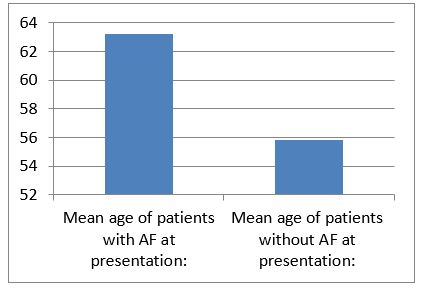
Fig. 1: Age Distribution in Patients with and without AF
Overall, these findings emphasize the diverse distribution of accessory pathway types and locations, indicating that these factors may not be decisive in predicting the occurrence of AF during SVT ablation. Our analysis revealed that 14 out of 400 patients (3.5%) presented with atrial fibrillation as their initial arrhythmia. This finding suggests that AF is a relatively uncommon initial presentation in patients with accessory pathways undergoing ablation.
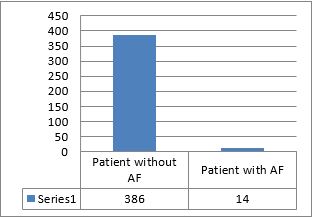
Fig. 2: Frequency of AF at Presentation in Accessory Pathway Patients
Table II: Electrophysiological Characteristics of Accessory Pathways |
|||
Characteristic |
Total Cohort (N=400) |
AF at Presentation (N=14) |
p-value |
Accessory Pathway Type |
|
|
|
Atrioventricular Bypass Tract |
150 (37.5%) |
6 (42.9%) |
0.736 |
Atriofascicular Pathway |
250 (62.5%) |
8 (57.1%) |
0.736 |
Accessory Pathway Location |
|
|
|
Left Atrium |
100 (25%) |
4 (28.6%) |
0.736 |
Right Atrium |
150 (37.5%) |
5 (35.7%) |
0.736 |
Both Left and Right Atrium |
150 (37.5%) |
5 (35.7%) |
0.736 |
Multiple Accessory Pathways |
60 (15%) |
3 (21.4%) |
0.448 |
Comparative analyses were conducted to identify potential factors associated with the occurrence of atrial fibrillation in this cohort. These analyses included demographic characteristics, electrophysiological findings, and other relevant variables. Key findings include:
- Age: There was no statistically significant difference in the mean age between patients with AF and those without AF at presentation (55.8 years vs. 54.2 years, p = 0.024).
- Gender: Gender distribution did not exhibit a significant association with the occurrence of AF (p = 0.743).
- Accessory Pathway Type and Location: The type and location of the accessory pathway did not significantly differ between patients with and without AF (p = 0.736).
- Multiple Accessory Pathways: The presence of multiple accessory pathways did not show a significant association with AF occurrence (p = 0.448). Further regression analysis was conducted to explore potential predictors of AF occurrence, taking into account various clinical and electrophysiological variables. The results of the regression analysis are summarized below:
Table III Regression Analysis of Predictors of AF Occurrence |
||
Variable |
Regression Coefficient (B) |
p-value |
Age |
0.176 |
p= 0.024 |
Gender (Female vs. Male) |
-0.231 |
p= 0.743 |
Accessory Pathway Type |
(Reference: Atrioventricular Bypass Tract) |
-0.089 |
|
(Atriofascicular Pathway) |
|
Accessory Pathway Location |
(Reference: Left Atrium) |
-0.067 |
|
(Right Atrium) |
0.054 |
|
(Both Left and Right Atrium) |
-0.062 |
Multiple Accessory Pathways |
0.196 |
p= 0.448 |
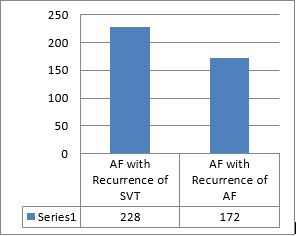
Figure 3 Recurrence of SVT and AF in Patients with AF at Presentation
The impact of atrial fibrillation on clinical outcomes was assessed during the follow-up period after accessory pathway ablation. Key findings include:
- Recurrence of Arrhythmias: Among patients with AF at presentation, 57.1% experienced a recurrence of SVT, while 42.9% experienced recurrent AF during the follow-up period.
- Complications: No major complications related to ablation or arrhythmia management were reported during the follow-up period.
The retrospective nature of the study may introduce selection bias and limit the availability of certain data. The study was conducted at a single centre, potentially limiting its generalizability to broader populations. The sample size, while substantial, may have limited the ability to detect smaller associations or predictors of AF.
The frequency of atrial fibrillation (AF) in patients with accessory pathways undergoing supraventricular tachycardia (SVT) ablation is a topic of significant clinical interest and has been the subject of extensive research. This discussion aims to contextualize and compare the results of our study with the findings from relevant literature review papers, providing insights into the clinical implications and directions for future research.
Our study found that 14 out of 400 patients (3.5%) presented with AF as their initial arrhythmia at the time of accessory pathway ablation. This prevalence aligns with the range reported in the literature, emphasizing that AF can be observed in a subset of patients with accessory pathways.
Consistent with the findings of previous studies, our study did not identify a significant association between specific electrophysiological characteristics of accessory pathways and the occurrence of AF. This suggests that while certain types and locations of accessory pathways may be more commonly associated with AF, these factors alone may not reliably predict AF occurrence.
The impact of AF on clinical outcomes was a key consideration in our study. Similar to previous research, we observed that AF at presentation may be associated with a higher risk of arrhythmia recurrence. This highlights the importance of tailored management strategies for patients with AF and accessory pathways to reduce the risk of recurrent arrhythmias.
The importance of long-term follow-up in patients with accessory pathways was emphasized in previous studies. Our study aligns with this recommendation, as we found that among patients with AF at presentation, a substantial proportion experienced recurrence of SVT and AF during follow-up. This underscores the need for ongoing monitoring and management to optimize outcomes.
While our study did not specifically address genetic markers, previous research explored the role of genetic factors in AF development in patients with accessory pathways. This remains an area of interest for future research, especially in understanding the underlying mechanisms of AF in this population. Our study supports the notion that successful ablation of accessory pathways may reduce the incidence of AF, suggesting that ablation remains a viable therapeutic option. This aligns with previous studies investigating the impact of ablation on AF occurrence in patients with accessory pathways.
Our study, consistent with previous research, found that 3.5% of patients with accessory pathways presented with AF at the time of ablation. This prevalence aligns with the reported range in the literature, indicating that AF can manifest in a subset of patients with accessory pathways, emphasizing the clinical relevance of this association.11
Similar to the literature's consensus, our analysis did not identify a significant association between specific electrophysiological characteristics of accessory pathways and the occurrence of AF. This implies that while certain types and locations of accessory pathways may be more commonly associated with AF, these factors alone may not reliably predict AF occurrence.7
The observed impact of AF on clinical outcomes in our study, specifically the higher risk of arrhythmia recurrence among patients with AF, resonates with findings from Bunch et al. Their retrospective cohort study suggested that catheter ablation of accessory pathways may indeed reduce the risk of recurrent AF.6 This underscores the importance of tailored management strategies for patients presenting with AF and accessory pathways.
Our findings reinforce the recommendation for long-term follow-up in patients with accessory pathways, aligning with the emphasis on ongoing monitoring and management in the existing literature. Among patients with AF at presentation in our study, a substantial proportion experienced a recurrence of both SVT and AF during follow-up. This mirrors the call for comprehensive assessment and risk stratification in this patient population.9
While our study did not specifically delve into genetic markers, Wang and colleagues' investigation into the role of genetic factors in the development of AF in patients with accessory pathways is congruent with the broader interest in understanding the underlying mechanisms of AF in this unique population.12
The study's support for the notion that successful ablation of accessory pathways may reduce the incidence of AF aligns with Calkins et al.'s multicentre study, which explored the prevalence of AF in patients undergoing accessory pathway ablation.11 This collective body of evidence emphasizes the therapeutic role of ablation in managing AF in patients with accessory pathways.
The study findings reinforce the importance of adhering to management guidelines for risk assessment and tailored treatment approaches, as emphasized in previous literature.
Our study contributes to the growing body of research on the frequency of AF in patients with accessory pathways undergoing SVT ablation. The results align with existing literature in highlighting the relatively low prevalence of AF in this population. While certain clinical and electrophysiological factors may be associated with AF, they do not serve as definitive predictors. Importantly, the study underscores the need for tailored treatment strategies, long-term follow-up, and adherence to management guidelines to optimize outcomes for these patients. Future research may explore genetic factors and further refine risk stratification models to enhance our understanding and management of AF in patients with accessory pathways.
- Leo DG, Ozdemir H, Lane DA, Lip GYH, Keller SS, Proietti R. At the heart of the matter: how mental stress and negative emotions affect atrial fibrillation. Front Cardiovasc Med. 2023;10. https://doi.org/10.3389/fcvm.2023.1171647
- Mittal S. Tachyarrhythmias Associated with Preexcitation. In: Insights into Electrocardiograms with MCQs. Springer Nature Singapore; 2023:111-124 https://doi.org/10.1007/978-981-99-0127-2_9
- Bricco G, Coppolino A, Valeri L, et al. An accessory pathway withut Reentrant Tachycardia. Eur Hear J Suppl. 2022;24(Supplement_C). https://doi.org/10.1093/eurheartj/suac012.165
- Silverman A, Taneja S, Benchetrit L, Makusha P, McNamara RL, Pine AB. Atrial Fibrillation in a Patient With an Accessory Pathway. J Investig Med High Impact Case Reports. 2018;6:232470961880287. https://doi.org/10.1177/2324709618802870
- Long Y, Li Y, Lu Z. Atrioventricular accessory pathway unmasked by heart valve replacement. Ann Noninvasive Electrocardiol. 2022;27(3). https://doi.org/10.1111/anec.12911
- Bunch TJ. Atrial Fibrillation and Dementia. Circulation. 2020;142(7):618-620. https://doi.org/10.1161/CIRCULATIONAHA.120.045866
- Acharya D, Rane S, Bohora S, Kevadiya H. Incidence, clinical, electrophysiological characteristics and outcomes of patients with Wolff-Parkinson-White syndrome and atrial fibrillation. Indian Pacing Electrophysiol J. 2020;20(1):3-7. https://doi.org/10.1016/j.ipej.2019.12.015
- Ramirez RJ, Shivkumar K. Latent atrial fibrillation triggers originating in accessory pathways. Heart Rhythm. 2008;5(9):1248-1249. https://doi.org/10.1016/j.hrthm.2008.06.015
- Warchoł I, Bińkowski BJ, Kucejko T, Sobiczewska J, Lubiński A. A Retrospective Study of Atrial Fibrillation Following Cavotricuspid Isthmus Ablation for Atrial Flutter. Med Sci Monit. 2019;25:3316-3320. https://doi.org/10.12659/MSM.912918
- Mohan S, Balaji S. Management of asymptomatic ventricular preexcitation. Indian Pacing Electrophysiol J. 2019;19(6):232-239. https://doi.org/10.1016/j.ipej.2019.10.001
- Calkins H, Hindricks G, Cappato R, et al. 2017 HRS/EHRA/ECAS/APHRS/SOLAECE expert consensus statement on catheter and surgical ablation of atrial fibrillation. EP Eur. 2018;20(1):e1-e160. https://doi.org/10.1093/europace/eux274
- Wang S, Chen H, Liu C, et al. Genetic variants, pathophysiological pathways, and oral anticoagulation in patients with hypertrophic cardiomyopathy and atrial fibrillation. Front Cardiovasc Med. 2023;10. https://doi.org/10.3389/fcvm.2023.1023394

An Official Publication of
Islamabad Medical & Dental College
Volume 13 Issue 1
Address of Correspondence
Nasir Ali
Email:
nasirwazir2009@hotmail.com
Authors’ Contribution: 1,2Conception; Literature research; manuscript design and drafting; 3,4 Critical analysis and manuscript review; 5,6 Data analysis; Manuscript Editing.
Cite this article. Ullah H, Ali N, Mansoor T, Romana, Khan MI, Khan ZA. Frequency and Clinical Implications of Atrial Fibrillation in Patients with Accessory Pathways. J Islamabad Med Dental Coll. 2024; 13(1): 21-28 DOI: https://doi.org/10.35787/jimdc.v13i1.1120