Head Injury Management in Road Traffic Accident Patients: A Case Report
Soobia Saeed1, Rubina Ghani2, Sana Irshad3, Hasan Ali4, Sadia Rehman4
1Department of Biochemistry, Sohail University, Karachi, 2Department of Biochemistry, Jinnah Medical and Dental College/ Sohail University, Pathological and Molecular Laboratories, Karachi, 3Jinnah Medical and Dental College, Karachi, 4 Department of Biochemistry, Bahria University of Health Sciences, Karachi
Objective: To examine recovery outcomes for patients with head injuries from road traffic accidents (RTAs), focusing on neurosurgical care.
Methodology: We studied patients admitted to our hospital with head injuries from RTAs. This included a case study of a 55-year-old man severely injured in a road accident, highlighting neuropsychological assessments and treatment outcomes.
Results: The case report presents the successful recovery of a 55-year-old patient who sustained severe head injuries from a road traffic accident. Following neurosurgical intervention to remove blood clots and comprehensive neuropsychological therapy, the patient showed significant improvement in memory and cognitive functions. The outcomes demonstrate a positive response to the integrated treatment approach, with the patient regaining substantial normalcy in life over the course of three months.
Conclusion: The case of a 55-year-old patient highlights the challenges and outcomes of treating severe head injuries resulting from RTAs. Key findings include the importance of immediate and appropriate neurosurgical care and neuropsychological support.
Keywords: Road traffic accident (RTA), Head injury, CT scan, cerebral spinal fluid
Road traffic accidents (RTAs) have been acknowledged as a key concern by prominent public health authorities. According to the WHO's research, 1.2 million people are killed and 50 million are injured in traffic accidents each year. These rates are expected to rise dramatically if no action is taken, particularly in the area of prevention. It is vital to note that RTA mortality occur in younger age groups; the vast majority of casualties are under the age of 50.1-3 RTA cause massive human suffering, permanent disability, and resource loss, straining both family budgets and worldwide economies .4-6 In a broader sense, millions of people have had to deal with the death or disability of family members or friends as a result of RTA. As a result, the entire cost of RTA has risen dramatically. Human behavior, automobiles, and road conditions all play a role in the frequency and severity of RTA. TBIs were responsible for the majority of trauma mortality in Europe.7-8 The total incidence rate was 235 cases/100,000 people, with an annual death rate of 15/100,000 persons, according to their systematic review of 26 studies. In our recent study of five European countries, we discovered that automotive accidents were the most common cause of TBI, accounting for 47% of cases.9 This fraction appears to match a pattern, and similar figures have been found in other epidemiological studies.10 As a result, we may conclude that TBIs are among the most dangerous types of injuries and are primarily the outcome of RTA. To the best of our knowledge, there have been very few studies in Europe dealing with TBI as a result of RTA. The purpose of this article is to present an overview of the severity and outcomes of TBI induced by RTAs in five European nations, as well as to address some of the public health ramifications of this burden.11-12
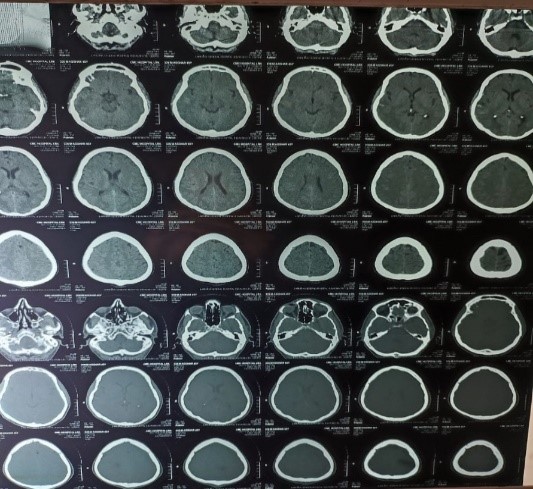
Blood clots
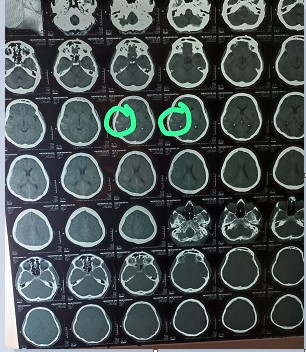
Figure 1: Head injury of frontal and parietal lobe causes blood clots in brain (B) compared with normal head injury without blood clot (A).
The patient was 55-year-old man who injured badly in road accidents with vehicle. In regarding Medicare hospital, other associated injury; relevant investigation like CT scan were done as shown in Figure 1 CT scan shows depressed fracture with hemorrhagic contusion with normal CT scan of head injury patient. The CT scan was compared with normal case with head injury. The data was collected directly from the neurosurgery department under the guide line of neurosurgeons. This case the patient was recovered by medication and medical therapy of clinical neuropsychologist. The patient was injured from frontal and parietal lobe in brain. The role of neuropsychologist is the therapy of patient due to continuously unconsciousness during medication.
Steps taken for the management of head injury at road accident:
Clinical Evaluation of Data Collection
The case discussed in this study involves a patient who was admitted in 2023 after suffering from a road traffic accident. The neurosurgery team employed two approaches: the first related to neurosurgical treatment, and the second to clinical neuropsychological therapies. The patient is a 55-year-old male. Initially, our neurosurgeons assessed the patient during medical treatment. The patient had sustained severe injuries, including the head. The neurosurgery team diagnosed blood clots located in the frontal and parietal lobes. After a thorough analysis, they opted for medication to remove the blood clots caused by minor internal brain injuries resulting from the road accident, as shown in Figure 1. The neurosurgeons prescribed the following medications and injections to address the blood clots, in accordance with the diagnosis and symptoms: one dose of Ringer's lactate 1 liter, one dose of Titan 1 gm, Granitite intramuscularly, and one dose of Solu-Cortef intravenously for vomiting and removing the blood clots. Other medications were prescribed to alleviate the patient's continuous unconsciousness: one tablet of Levam 500 mg, one tablet of Dapakan 500 mg, and one capsule of Stugeron Forte. Additional treatment included Solu-Cortef with Decadron 2cc and one injection of Lasix. The patient recovered within three months through proper follow-up and medication. After discharge from the hospital, the neurosurgeon referred the patient to a clinical neuropsychologist for further therapy to help stabilize the patient and return to a normal life.
Postoperative follow-up
In the postoperative CT scan, changes were noted, and injuries to the frontal and parietal lobes were identified. The neurosurgeons prescribed medication to dissolve the blood clot that had developed due to the road accident, as shown in Figure 1. After the medication was administered, the patient frequently complained of memory loss and issues with unconsciousness. The neurosurgeon referred the patient to a clinical neuropsychologist to assist in recovering from the memory loss issues. The patient was discharged from the hospital within four days, but the clinical neuropsychologist conducted 12 sessions to aid in the patient's memory recovery.
Neuropsychological Evaluation Following Traumatic Brain Injury
Disruptions in brain function can be caused by traumatic injuries to the brain's structure as a result of external forces. These can manifest as various symptoms, including loss of memory for events immediately before and after the traumatic injury, decreased levels of consciousness, confusion, slow thinking, neurological deficiencies such as weakness, memory loss, loss of balance, changes in vision, double vision, aphasia, and possibly transient or permanent intracranial lesions. In our case, the patient suffered from Traumatic Brain Injury (TBI) leading to memory disruption, focal neurological deficits such as weakness, slow thinking, loss of vision, and difficulty concentrating.
The purpose of the neuropsychological assessment was to identify any deficiencies in neurological function or cognitive disorders following the removal of blood clots in the brain.
The neuropsychologist conducted clinical interviews and a screening process that reflected the current health status of the patient and any neurological deficiencies. This assessment was complemented by cognitive testing and self-report measurements, obtained after securing the patient's consent. An essential aspect of this process also involved the patient’s family. A significant phase of the neuropsychological evaluation involved obtaining consent from the patient's family, gathering their feedback, and providing psychoeducation, which the psychologist offered to the patient during treatment and psychological sessions.
This thorough and precise approach to evaluating the patient is invaluable when working with individuals recovering from a TBI. Various confounding factors may exacerbate symptoms. Performing a neuropsychological assessment shortly after a TBI allows the management team to identify any factors that may delay the patient's recovery and develop strategies to mitigate these issues. Furthermore, prioritizing an early examination of the patient ensures they receive psychoeducation about TBI and the expected recovery process.
Neuropsychological Tests conducting to patient
The clinical neuropsychologist planned for therapies to the patient including cognitive behavioral therapy and mood assessment method.
Table I: Recommended clinical Therapies |
|||
Functional Domain |
Neuropsychological Test |
||
Memory Loss |
Cognitive Behavioral Therapy (CBT) |
||
Mood Self Report |
clinical interview and self-report inventory |
||
Neurobehavioral Symptoms self-report |
Behavior of patient, Cognition, Negative affect, and Patient Report outcomes |
||
Cognitive-Behavioral Therapy (CBT)
Cognitive Behavioral Therapy (CBT) is a method that helps individuals identify and change negative or unhelpful thought and behavior patterns. Neuropsychologists often use CBT to help patients understand how their emotions and thoughts affect their actions. The therapy aims to alter the patient's behavior and develop new coping strategies, aiding in their recovery. In this case, the neuropsychologist employed CBT to assist the patient in regaining memory and normalizing emotions, enabling a return to everyday life. The therapy involved meetings three times a week for three months, where the patient learned to break down overwhelming problems into manageable parts and analyze changes in behavior.
The focus was on the patient's emotions, trauma-related memories, negative thoughts, and physical sensations. As the patient confronted their fears, the neuropsychologist provided support through 20 sessions over three months, facilitating recovery and improving the patient's quality of life.
Mood Self Report
Mood significantly affects an individual's psychological health, and disturbances in mood can lead to psychological maladjustment. Under normal circumstances, our emotions, such as joy, excitement, and elation, contribute positively to our lives and well-being. However, negative emotions like anger, hostility, depression, and bipolar disorder can lead to psychological disturbances if experienced excessively or beyond the normal range. It is typical for individuals to feel anger, irritation, or sadness following traumatic events such as memory loss or a car accident. Yet, when these emotions become extreme, they may require psychological intervention.
Mood influences nearly every aspect of psychological treatment, making reliable mood assessment a crucial part of a psychologist's toolkit. Clinical interviews and self-report inventories are among the most common methods used to assess an individual's mood.
Neurobehavioral Symptoms Self-Report
Following the car accident, the patient experienced memory and consciousness issues after the removal of a blood clot. Consequently, the neuropsychologist conducted a self-report analysis known as neurobehavioral symptom assessment. Neurobehavioral evaluations measure brain function, testing abilities such as reading, language use, attention, learning, processing speed, reasoning, memory, problem-solving, mood, and personality. Neurobehavioral symptoms, commonly associated with Traumatic Brain Injury (TBI), can persist for years and adversely affect long-term health, functionality, and quality of life. These symptoms may vary based on factors like age, gender, education, race, ethnicity, and injury severity.
Understanding neurobehavioral functioning post-TBI involves considering personal factors that could influence emotional, cognitive, and behavioral symptoms. It's essential to differentiate whether symptoms result directly from the injury or from other unrelated factors.
A self-reported neurobehavioral assessment, part of the Behavioral Assessment Screening Tool (BAST), was used to gather information on the patient's symptoms. Subsequent therapy aimed to address these symptoms. The integration of neurobehavioral evaluation with Cognitive Behavioral Therapy (CBT) facilitates rapid recovery, combining efforts to address both cognitive and behavioral issues. Following the resolution of these challenges, the patient can progress towards a healthier life. The overall duration of assessment and neuropsychological sessions spans approximately three months.
The case report presented illustrates the complex interplay between physical trauma and psychological recovery following a traumatic brain injury (TBI) due to a road traffic accident. The patient, 55-year-old male, experienced significant cognitive and emotional disturbances, including memory loss and altered states of consciousness, subsequent to the injury. The therapeutic approach encompassed both neurosurgical interventions to address physical brain damage and neuropsychological treatments aimed at mitigating cognitive and emotional deficits. A critical aspect of this case is the manifestation of neurobehavioral symptoms commonly associated with TBI, which include memory impairment, decreased attention span, slow processing speed, and mood fluctuations. These symptoms can severely impact a patient's quality of life and long-term health, underscoring the necessity for a comprehensive treatment plan that addresses both the physical and psychological aspects of recovery. The integration of cognitive behavioral therapy (CBT) in the patient's treatment regimen highlights the importance of addressing psychological components in conjunction with medical and surgical interventions. The patient's recovery trajectory underscores the pivotal role of early and continuous neuropsychological rehabilitation. The neuropsychological assessments and interventions, including self-report measures and cognitive behavioral therapy, were instrumental in the patient's recovery process. These interventions not only aimed to restore cognitive functions but also to improve emotional regulation and coping mechanisms, thereby facilitating a more holistic recovery. Furthermore, this case sheds light on the importance of personalized care in the treatment of TBI. Factors such as the patient's age, pre-existing health conditions, and the severity of the injury significantly influence the recovery process and outcomes. Therefore, tailoring treatment strategies to the individual's specific needs and circumstances is crucial. The long-term follow-up and interdisciplinary approach in managing the case demonstrate the benefits of integrating neurosurgical and neuropsychological care. This combined approach enabled the patient to make substantial progress in regaining memory functions and returning to a semblance of normal life, highlighting the effectiveness of collaborative care in treating complex cases of TBI. However, this case also highlights the challenges associated with diagnosing and treating TBI, particularly in distinguishing between symptoms directly related to brain injury and those arising from other factors. Continuous assessment and adjustment of treatment strategies are essential to address the evolving needs of the patient effectively. In conclusion, this case report emphasizes the critical need for an integrated, multidisciplinary approach in the treatment of TBI. It demonstrates the significant impact of neuropsychological interventions, alongside medical and surgical treatments, on improving patient outcomes. Future research should focus on optimizing integrated care models and exploring innovative therapeutic strategies to enhance recovery in TBI patients.
In conclusion, this case report illustrates the effectiveness of combining neurosurgical treatment and neuropsychological therapy in the recovery from severe head injuries due to a road traffic accident. It highlights the importance of a multidisciplinary approach in addressing both the physical and psychological impacts of traumatic brain injuries. The patient's significant recovery underscores the potential for positive outcomes with timely and integrated intervention strategies.
- Mamo, D. E., Abebe, A., Beyene, T., Alemu, F., & Bereka, B. Road traffic accident clinical pattern and management outcomes at JUMC Emergency Department; Ethiopia. African journal of emergency medicine, 2023, 13(1), 1-5. https://doi.org/10.1016/j.afjem.2022.11.002
- Zafarullah, M., Butt, J. S., & Saleem, H. M. N. Road Traffic Accidents and Emergency Health Services of Rescue 1122: A Case Study of Bahawalpur City. Journal of Policy Research, 2022, 8(4), 61-77. https://doi.org/10.5281/zenodo.7483754
- Abegaz, T., & Gebremedhin, S., Magnitude of road traffic accident-related injuries and fatalities in Ethiopia. PloS one, 2019. 14(1), e0202240. https://doi.org/10.1371/journal.pone.0202240
- Pal, R., Ghosh, A., Kumar, R., Galwankar, S., Paul, S. K., Pal, S., ... & Agrawal, A. Public health crisis of road traffic accidents in India: Risk factor assessment and recommendations on prevention on the behalf of the Academy of Family Physicians of India. Journal of family medicine and primary care, 2019, 8(3), 775. https://doi.org/10.4103/jfmpc.jfmpc_214_18
- Mostert, C. Q., Singh, R. D., Gerritse n, M., Kompanje, E. J., Ribbers, G. M., Peul, W. C., & van Dijck, J. T. Long-term outcome after severe traumatic brain injury: A systematic literature review. Acta Neurochirurgica, 2022, 1-15. https://doi.org/10.1007/s00701-021-05086-6
- Narayanan, M. K., Deora, H., Garg, K., & Grotenhuis, J. A. “A Comparative Scientometric Analysis of the 100” Neurochirurgica (Wien) and World Neurosurgery. World Neurosurgery, 2022, 157, 106-122. https://doi.org/10.1016/j.wneu.2021.10.099
- Watanabe, T., Kawai, Y., Iwamura, A., Maegawa, N., Fukushima, H., & Okuchi, K. ‘Outcomes after traumatic brain injury with concomitant severe extracranial injuries.’ Neurologia medico-chirurgica, 2018, 58(9), 393. https://doi.org/10.2176%2Fnmc.oa.2018-0116
- Howlett, J. R., Nelson, L. D., & Stein, M. B. ‘Mental health consequences of traumatic brain injury’. Biological psychiatry, 2022, 91(5), 413-420. https://doi.org/10.1016/j.biopsych.2021.09.024
- Helmrich, I. R. R., Czeiter, E., Amrein, K., Büki, A., Lingsma, H. F., Menon, D. K., ‘CENTER-TBI participants and investigators. Incremental prognostic value of acute serum biomarkers for functional outcome after traumatic brain injury (CENTER-TBI): an observational cohort study.’ The Lancet Neurology, 2022, 21(9), 792-802. https://doi.org/10.1016/s1474-4422(22)00218-6
- Riemann, L., Zweckberger, K., Unterberg, A., El Damaty, A., Younsi, A., & Collaborative European NeuroTrauma Effectiveness Research in Traumatic Brain Injury (CENTER-TBI) Investigators and Participants..’Injury causes and severity in pediatric traumatic brain injury patients admitted to the ward or intensive care unit: a collaborative European neurotrauma effectiveness research in traumatic brain injury’ (CENTER-TBI) study. Frontiers in neurology, 2020, 11, 345. https://doi.org/10.3389/fneur.2020.00345
- Gao, G., Wu, X., Feng, J., Hui, J., Mao, Q., Lecky, F., & Participants, C. C. T. R. ‘Clinical characteristics and outcomes in patients with traumatic brain injury in China: a prospective, multicentre, longitudinal, observational study’. The Lancet Neurology, 2020, 19(8), 670-677. https://doi.org/10.1016/s1474-4422(20)30182-4
- Van Ornam, J., Pruitt, P., & Borczuk, P..’Is repeat head CT necessary in patients with mild traumatic intracranial hemorrhage’. The American Journal of Emergency Medicine, 2019, 37(9), 1694-1698. https://doi.org/10.1016/j.ajem.2018.12.012

An Official Publication of
Islamabad Medical & Dental College
Volume 13 Issue 3
Case Report
Address of Correspondence
Sadia Rehman
Email:
dr.sadia89@hotmail.com
Authors’ Contribution: 1,2Conception; Literature research; manuscript design and drafting; 3,4 Critical analysis and manuscript review; 5Data analysis; Manuscript Editing.
Cite this article. Saeed S, Ghani R, Irshad S, Ali H, Rehman S. Head Injury Management in Road Traffic Accident Patients: A Case Report. J Islamabad Med Dental Coll. 2024; 13(3): 480-485. DOI: https://doi.org/10.35787/jimdc.v13i3.1173