Frequency and MIC-based Antimicrobial Resistance Profile of MDR and XDR Gram Negative Isolates of Blood Culture Specimens in a Tertiary Care Setting
Asma Ejaz1, Farhan Rasheed1, Muhammad Bilal2, Gul Fraz1, Saadia Chaudhary3, Mian Zahid Sarfraz1, Muhammad Saeed4
1Department of Pathology, Allama Iqbal Medical College, Lahore, 2Nawaz Sharif Medical College, University of Gujrat, Gujrat, 3Lahore Medical and Dental College, Lahore, 4Director Operations Makhdoom Diagnostic Centre Mandi Bahauddin
Objective: To analyze the frequency and antimicrobial resistance profile of MDR and XDR Gram-negative isolates among blood culture specimens.
Methodology: Over the period of one year from 1st Jan 2022- 31st December 2023, a total of 9600 blood culture specimens were collected and processed through Bactlert 3D Automated Blood culture system, Bacterial identification was done by standard phenotypic, biochemical and Vitek analyser, Antibiotics Susceptibility testing was done through Vitek.
Results: A total of 9,600 blood culture specimens were processed at our tertiary care setting. The most common pathogens were Klebsiella, Enterobacter cloacae complex, Serratia marcescens and Acinetobacter baumannii complex. Among these, 2,688 specimens tested positive for Gram-negative isolates; a concerning discovery was the identification of 154 antimicrobial resistance isolates. The proportion of MDR isolates among the total isolates tested was about 33.8%, while the proportion of XDR isolates among the total isolates tested was 66.2%.
Conclusion: Through detailed analysis and discussion, this study illuminated the grave challenge posed by AMR in tertiary care settings. It emphasized the importance of innovative approaches to antimicrobial stewardship, developing new antimicrobial agents, and ongoing surveillance to effectively combat this public health crisis.
Keywords: Antimicrobial resistance, Multidrug-resistant, Extensively drug-resistant, Minimum Inhibitory Concentrations, Antimicrobial stewardship, Colistin resistance, Public health challenge.
Antimicrobial resistance (AMR) among Gram-negative bacteria presents a significant challenge to public health, notably within tertiary care settings where multidrug-resistant (MDR) and extensively drug-resistant (XDR) pathogens increasingly compromise the efficacy of available treatments1. The rise of carbapenem-resistant Enterobacterales and Pseudomonas aeruginosa has been identified as a critical threat to human health, attributed to the high mortality rates associated with infections caused by these pathogens and the limited antimicrobial therapy options available2,3
Bloodstream infections (BSIs) caused by these resistant organisms are particularly alarming due to their association with severe morbidity and mortality. The management of BSIs, a frequent complication in hospitalized patients, is complicated further by the emergence of MDR and XDR strains, underscoring the need for accurate diagnostic tools and effective antimicrobial stewardship4. The determination of minimum inhibitory concentrations (MICs) plays a pivotal role in guiding the selection of effective antimicrobial therapy, offering a quantifiable measure of the extent of an organism's resistance to an antibiotic 5,6
However, the interpretation and application of MIC values in clinical practice involve considerable complexity, particularly in the context of rapidly emerging resistance mechanisms and the variability of resistance profiles among different pathogens. This complexity is compounded in tertiary care settings, where the patient population often presents with a higher burden of comorbidities, exposure to healthcare-associated pathogens, and previous antimicrobial use, all of which contribute to the selection pressure favoring the emergence and spread of resistant bacteria7. Despite guidelines aiming to optimize the management of BSIs, significant variations in clinical practice and adherence to these guidelines have been observed among infection specialists, indicating an ongoing challenge in standardizing care to effectively combat AMR8. Moreover, the reliance on polymyxins and other last-resort antibiotics, despite their known nephrotoxicity and questionable efficacy against certain resistant organisms, underscores the desperate need for novel therapeutic options and more effective antimicrobial stewardship strategies9.
In light of these challenges, this study was planned to explore the antimicrobial resistance profile of MDR and XDR Gram-negative isolates from blood culture specimens in a tertiary care setting, focusing on the frequency of resistance and the role of MIC in guiding therapeutic decisions. Through this investigation, we obtained valuable insights into the ongoing efforts to combat AMR, emphasizing the critical need for innovative approaches to antimicrobial stewardship and the development of new antimicrobial agents.
Ethical Considerations
Ethical considerations were paramount throughout the study, in all procedures including approval from the hospital's Institutional Review Board (IRB).
Sample Collection
Blood specimens were collected from patients admitted to Jinnah Hospital, Lahore, a leading tertiary care facility grappling with a high incidence of infectious diseases. Patient selection adhered to clearly defined criteria, including individuals diagnosed with or suspected of having infectious diseases, while excluding those who had received antimicrobial therapy within 48 hours. The collection was conducted using standardized blood culture bottles (Bactec), specifically designed for the optimized recovery of pathogens from blood samples while minimizing contamination from the skin flora. The collection was conducted in accordance with stringent aseptic techniques, ensuring that skin antisepsis with chlorhexidine gluconate was performed prior to venipuncture to reduce the potential for contamination. To ensure the integrity of the samples, healthcare professionals were trained in the latest phlebotomy protocols, emphasizing skin antisepsis and proper collection methods. The volume of blood drawn was carefully measured (standardized at 4 mL for adults and 3 mL for paediatric patients) to meet the recommended quantity for the Bactec bottles. Upon acquisition, these bottles were immediately transported under controlled conditions, maintaining a temperature range of 2-8°C to preserve sample integrity until analysis10
Inoculation and Monitoring
Upon arrival at the laboratory, every specimen containing bottle was scanned with barcode and loaded into the Bact/Alert automated blood culture system, which fosters optimal growth conditions for any present organisms. This system, equipped with advanced sensors, continually monitored the culture bottles for signs of microbial growth, such as color changes or turbidity resulting from CO2 production and other metabolic activities. Once a specimen was flagged positive by the system, indicating the potential presence of pathogens, it was immediately subjected to subculturing to isolate and identify the microorganisms11.
Subculturing for Isolation and Identification
The subculturing involved spreading the contents of each positive blood culture bottle onto two distinct types of agar plates. Blood agar, a non-selective, nutrient-rich medium, was utilized to support the growth of a broad spectrum of bacteria, providing an inclusive environment for organism recovery. Conversely, MacConkey agar, a selective and differential medium, was explicitly employed to isolate Gram-negative enteric bacilli. This medium facilitated the differentiation of organisms based on lactose fermentation. A standardized inoculum of 0.1 mL from each positive blood culture was spread onto the agar surfaces for subculturing. This volume was chosen based on preliminary studies indicating its effectiveness in yielding discernible, countable colonies12. The inoculated agar plates were then incubated in an aerobic environment at 37°C for 18-24 hours. Post-incubation, colonies indicative of Gram-negative organisms were meticulously selected for further analysis. This was based on their growth characteristics, colour, and morphology on the selective media. Morphologically distinct colonies were selected for further identification to ensure that a diverse representation of the microbial flora in the blood cultures was analyzed13.
Antimicrobial Susceptibility Testing
Following their initial isolation, bacterial specimens underwent confirmation and identification using the Vitek automation system. This platform was selected for its proven accuracy and efficiency in bacterial identification, using metabolic reactions to a variety of substrates to match isolates to a comprehensive database. Concurrently, the system assessed the antimicrobial susceptibility of each isolate, precisely determining Minimum Inhibitory Concentrations (MIC) by exposing bacteria to a spectrum of antibiotics across various concentrations. Interpretation of the MIC data adhered strictly to guidelines set forth by authoritative bodies like the Clinical and Laboratory Standards Institute (CLSI), ensuring accuracy and relevance14. Based on these metrics, isolates were classified according to their resistance profiles: multi-drug resistant (MDR) isolates demonstrated non-susceptibility to at least one agent in three or more antimicrobial categories, whereas Extensively Drug-Resistant (XDR) isolates were non-susceptible to one or more agents in all but two or fewer categories15.
Data Analysis
The frequency of MDR and XDR isolates and their corresponding MIC values were cataloged and analyzed. Descriptive statistics were used to summarize the data, providing a comprehensive overview of the antimicrobial resistance landscape within the sampled population. The distribution of MICs was plotted to visualize the spectrum of drug susceptibilities, offering valuable insights into the prevailing resistance patterns. Statistical analyses were performed using SPSS Version 25 (IBM Corp., Armonk, NY, USA).
Characteristics of Isolates
During the study period from February 2023 to January 2024, a total of 9,600 blood culture specimens were processed at our tertiary care setting. The most common pathogens were Klebsiella, Enterobacter cloacae complex, Serratia marcescens and Acinetobacter baumannii complex. Among these, 2,688 specimens tested positive for Gram-negative isolates; a notable finding was the identification of 154 antimicrobial resistance isolates. Among these, a significant portion demonstrated resistance to multiple antibiotic classes, underscoring the challenges faced in clinical management and selecting effective therapeutic options. MDR Salmonella enterica is defined as resistant to first line antibiotics; Ampicillin, Chloramphenicol and Co-trimoxazole. XDR Salmonella is defined as MDR and resistant to Quinolones and third generation cephalosporins, (following the Centers for Disease Control and Prevention guidelines). All the isolates were 100% susceptible to Colistin, while 97.4% of isolates were non-susceptible to Ciprofloxacin (Cip). Other important findings included high resistance rates to commonly used antibiotics such as 90.6% were resistant to Ticarcillin (Tic), 82.2% resistant to Ticarcillin/Clavulanic Acid (Tic/CA), 89.6% resistant to Piperacillin (PIP), 81.3% resistant to Piperacillin/Tazobactam (TZP), 87.1% resistant to Ceftazidime (CAZ), 89.3% resistant to Cefepime (CEP), 88.3% resistant to Aztreonam (AZT), 76.3% resistant to Imipenem (IMI), 74.6% resistant to Meropenem (MEM), 85.3% resistant to Amikacin (AMK), 88.3% resistant to Gentamicin (GEN), 90.6% resistant to Tobramycin (TOB), 96.2% resistant to Minocycline (MIN) and 94.8% resistant to Trimethoprim/Sulfamethoxazole (SXT).
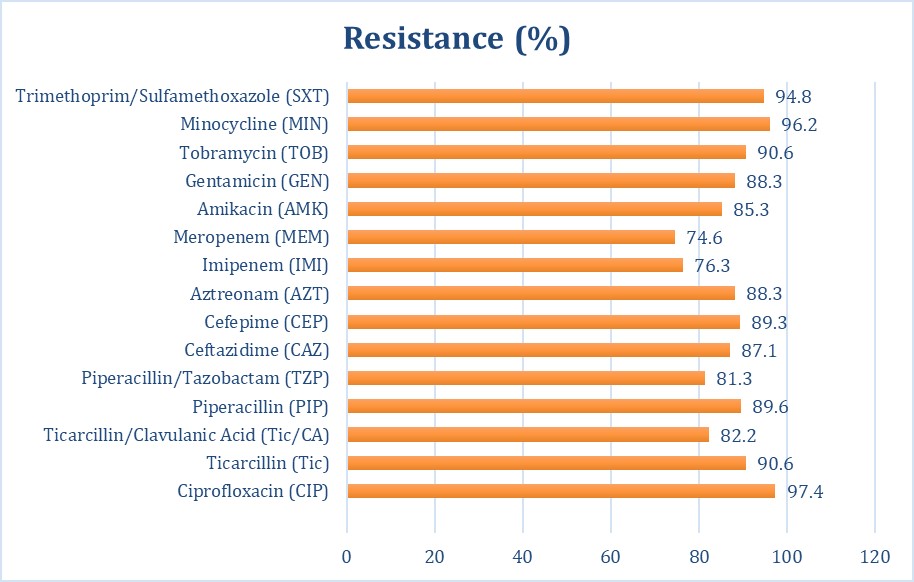
Figure 1: Bar chart illustrating the percentage of bacterial resistance to various antibiotics.
The overall resistance rate among the tested isolates was approximately 5.73%, while the mean resistance rate across all antibiotics mentioned in the study was approximately 88.6%.
Frequency of MDR and XDR Gram-negative Isolates
In our investigation of Gram-negative bacterial isolates, we observed a concerning prevalence of antimicrobial resistance. Multidrug-resistant (MDR) isolates, defined as non-susceptibility to at least one agent in three or more antimicrobial categorized Notably, 102 isolates were classified as Extensively Drug-Resistant (XDR), indicating non-susceptibility to at least one agent in all but two or fewer antimicrobial categories, based on our stringent criteria adapted from World Health Organization recommendations.
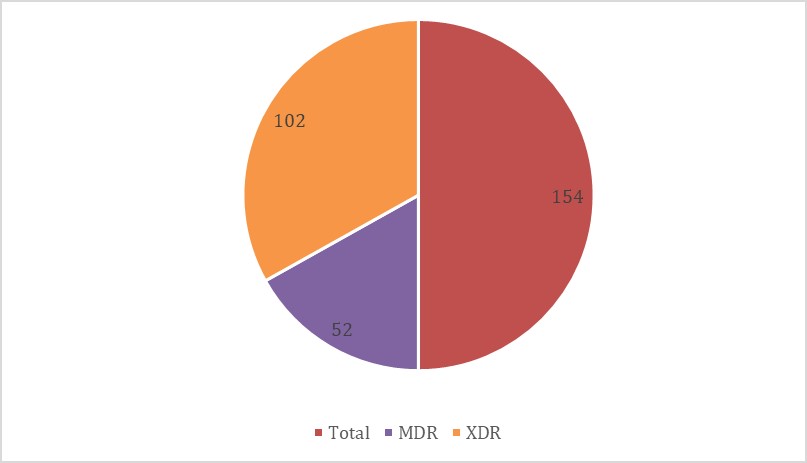
Figure 2: Proportion of Multidrug-Resistant (MDR) vs Extensively Drug-Resistant (XDR)
(Following the Centers for Disease Control and Prevention guidelines), were identified in 52 out of 154 isolates. The proportion of MDR isolates among the total isolates tested was about 33.8%, while the proportion of XDR isolates among the total isolates tested was 66.2%. These findings underscored the urgent challenge posed by these pathogens, emphasizing the necessity for advanced treatment modalities, comprehensive surveillance, and robust antimicrobial stewardship initiatives.
Table I. Percentage frequency,Multi-Drug Resistant (MDR)& Extensively Drug-Resistant (XDR) percentages of individual organisms |
|||
Organism |
Frequency % |
MDR% |
XDR% |
Serratia Marcescens |
22 |
|
100 |
Klebsiella pneumoniae |
20.7 |
6.2 |
93.7 |
Salmonella enterica |
16.8 |
100 |
|
Acinetobacter baumannii complex |
12.9 |
30 |
70 |
Enterobacter cloacae complex |
12.9 |
10 |
90 |
Escherichia coli |
2.6 |
100 |
|
Burkholderia cepacia |
2.59 |
50 |
50 |
Pseudomonas species |
1.29 |
|
100 |
Pathogen Identification and Resistance Pattern
Our study identified a broad spectrum of Gram-negative resistant species, with the most commonly tested being Klebsiella pneumoniae sp. pneumoniae (n=32), Enterobacter cloacae complex (n=20), Serratia marcescens (n=34) and Acinetobacter baumannii complex (n=20). The Enterobacter spp., Klebsiella pneumoniae, and Serratia marcescens were among the most prevalent XDR organisms. These pathogens contributed significantly to the overall burden of XDR infections, complicating the management of bloodstream infections and increasing the risk of adverse outcomes. The analysis indicated a high level of resistance across various organisms. The resistance was particularly notable for antibiotics such as Ciprofloxacin, Trimethoprim/Sulfamethoxazole, and Ticarcillin/ Clavulanic Acid, suggesting that these organisms had developed strong resistance mechanisms. The high resistance rates to a broad spectrum of antibiotics suggested a significant presence of multi-drug resistant (MDR) organisms within the samples.
Table II. Key findings of antimicrobial resistance patterns among Gram-negative isolates |
||
Metric/Category |
Result (%) |
Details |
Mean Antibiotic Resistance Rate |
88.6 |
It was calculated across all tested antibiotics, indicating widespread resistance. |
Proportion of Multidrug-Resistant (MDR) Isolates |
33.8 |
Isolates resisted at least one agent in three or more antimicrobial categories. |
The proportion of Extensively Drug-Resistant (XDR) Isolates |
66.2 |
Isolates resisted at least one agent in all but two or fewer antimicrobial categories. |
Percentage of Isolates Resistant to Colistin (MIC < 4 mg/L) |
Nil |
Indicated all isolates sensitive to Colistin, a last-resort antibiotic. |
Organism-specific Highlights |
||
Klebsiella pneumoniae and related species |
Prevalence of XDR |
Demonstrated high levels of resistance, particularly to carbapenems and third generation cephalosporins. |
Acinetobacter baumannii complex |
Significant resistance |
It resisted nearly all tested antibiotics, highlighting its role as a critical concern in healthcare settings. |
The effectiveness of Colistin against the pathogens for which data was available indicated that it could be a valuable treatment option against MDR organisms. However, its use is typically reserved for highly resistant infections due to its toxicity profile.
Complete Susceptibility to Colistin in Antibiotic-Resistant Isolates
This research evaluated the resistance profiles of 154 bacterial isolates, which contained reference strains alongside representatives of MDR and XDR strains, against the antibiotic Colistin. Known as a last-line defence in the treatment against infections by highly resistant bacteria, the significance of Colistin cannot be ignored. Our investigation was firmly anchored on determining the Minimum Inhibitory Concentrations (MIC) for Colistin, adhering to the criteria set by the European Committee on Antimicrobial Susceptibility Testing (EUCAST) and the Clinical and Laboratory Standards Institute (CLSI). Our findings reveal a critical insight: The resistance to carbapenem antibiotics underscored the challenge in treating infections caused by these pathogens. For Imipenem, MIC values ranged from 8 to 16 µg/mL while for Meropenem, MIC values were consistently reported at 16 µg/mL for the isolates indicating a high level of resistance in these isolates. All of the 154 isolates analyzed demonstrated complete susceptibility to Colistin, with no instances of resistance (MIC values <4mg/L). This outcome underscored the unparalleled efficacy of Colistin in combating pathogens that exhibit resistance to multiple drugs. The absolute susceptibility rate of 100% highlighted the essential role that Colistin continues to play in the management of infections caused by MDR and XDR pathogens.
The findings of this study illuminated the grave challenge antimicrobial resistance (AMR) posed in tertiary care settings, particularly emphasizing the threat from multidrug-resistant (MDR) and extensively drug-resistant (XDR) Gram-negative isolates. The study's comprehensive analysis, spanning over a year and involving 9,600 blood culture specimens, underscored a significant public health concern: the alarming frequency of resistance and the critical role of minimum inhibitory concentrations (MICs) in guiding therapeutic decisions amidst this resistance crisis. The high prevalence of MDR and XDR isolates, which constituted approximately 33.8% and 66.2% of the resistance isolates, respectively, represented a clarion call for the medical and scientific communities. This alarming distribution indicated the evolving nature of bacterial pathogens in response to antibiotic pressure. The pronounced resistance to a broad spectrum of antibiotics, including beta-lactams and carbapenems, further complicated clinical management, narrowing the therapeutic window and limiting effective treatment options. Identifying these resistant strains in a tertiary care setting, where the patient population often presented with multiple comorbidities and higher exposure to healthcare-associated pathogens, posed additional complexity to treatment7,8.
The variability in resistance patterns, as evidenced by the wide range of MIC values, underscored the complexity of AMR and the necessity for personalized antimicrobial therapy. The elevated MIC values for beta-lactam and carbapenem antibiotics, in particular, indicated the severe limitation in treatment options available for infections caused by these resistant organisms. This supported the argument for the crucial role of MIC determination in guiding therapeutic decisions, a point also emphasized by Diallo et al. and Havenga et al5,6. However, due to the absence of viable alternatives, the reliance on polymyxins, with known nephrotoxicity, highlighted the desperate need for novel antimicrobial agents9.
The identification of crucial pathogens, such as Klebsiella pneumoniae and Acinetobacter baumannii complex, as prevalent XDR organisms was consistent with global trends, indicating these species as significant contributors to the burden of XDR infection2,3. The high resistance rates to a broad spectrum of antibiotics underlined the substantial presence of MDR organisms within the sampled population, corroborating the findings of Cavalieri et al.12 regarding the challenges in the clinical management of these infections. The one-size-fits-all approach is inadequate in the face of such diversity in resistance mechanisms. This underscored the importance of innovative treatment strategies, including the development of new antimicrobial agents and the judicious use of existing antibiotics, such as Colistin, despite its known adverse effects.
The sensitivity to Colistin, a last-resort antibiotic, in 100% of the isolates highlighted the colistin as a critical antibiotic in managing infections caused by MDR and XDR pathogens. It echoed the necessity for ongoing surveillance of colistin susceptibility and the development of alternative treatments to address this emerging threat4. The escalated challenge of AMR necessitates a multifaceted approach, integrating research, clinical practice, and public health policy. The findings of this study illuminated the critical challenges posed by the prevalence of MDR and XDR Gram-negative bacteria in a tertiary care setting. They emphasized the importance of antimicrobial stewardship, infection control measures, and the urgent need for innovative therapeutic options. Additionally, the study highlighted the critical role of ongoing surveillance and research in understanding and tracking the evolving landscape of AMR. Future research should focus on elucidating the genetic mechanisms underlying resistance, exploring alternative therapeutic options (such as bacteriophage therapy, antimicrobial peptides, and the use of adjuvants to potentiate the efficacy of existing antibiotics), and developing predictive models to inform clinical decision-making and stewardship practices.
In conclusion, it is alarming to observe that MIC values for all antibiotics are increasing among all isolates. This trend suggests a potential surge in antimicrobial resistance rates, highlighting the urgent need for effective antimicrobial stewardship measures. Furthermore, the emergence of common pathogens as MDR and even XDR strains is concerning. This upward trend underscores the necessity for robust interventions to control these evolving patterns of resistance. Moreover, the identification of rare pathogens becoming more prevalent in our healthcare setting is noteworthy. These pathogens, already challenging to treat due to their complex nature and intrinsic drug resistance capabilities, pose significant challenges. These findings emphasize the importance of implementing rigorous infection prevention strategies to curb their spread and mitigate the impact on patient outcomes. The findings from this study served as a stark reminder of the complexities and challenges in managing infections caused by MDR and XDR Gram-negative bacteria. The escalated challenge of AMR necessitates a multifaceted approach, integrating research, clinical practice, and public health policy. While the study provided valuable insights into the resistance profiles of these pathogens, it also highlighted the urgent need for concerted efforts in antimicrobial stewardship, research, and policy-making to address this growing public health crisis. Collaboration across disciplines will be paramount in devising effective strategies to mitigate the spread of AMR and ensure the availability of effective therapeutic options for future generations. Only through concerted efforts could there be a hope to mitigate the impact of AMR and safeguard the efficacy of existing and future antimicrobial agents.
- Satlin, M. J. (2021). Languid uptake of ceftazidime-avibactam for carbapenem-resistant gram-negative infections and continued reliance on polymyxins. Clinical Infectious Diseases, 72(4), 622-625. https://doi.org/10.1093/cid/ciaa065
- Rima, M., Pfennigwerth, N., Cremanns, M., Cirnski, K., Oueslati, S., Gatermann, S. G., ... & Naas, T. (2023). In Vitro Activity of Two Novel Antimicrobial Compounds on MDR-Resistant Clinical Isolates. Antibiotics, 12(8), 1265. https://doi.org/10.3390/antibiotics12081265
- Alexander, E. L., Loutit, J., Tumbarello, M., Wunderink, R., Felton, T., Daikos, G., ... & Dudley, M. N. (2017). Carbapenem-resistant Enterobacteriaceae infections: results from a retrospective series and implications for the design of prospective clinical trials. In Open Forum Infectious Diseases (Vol. 4, No. 2, p. ofx063). US: Oxford University Press. https://doi.org/10.1093/ofid/ofx063
- Leal, H. F., Azevedo, J., Silva, G. E. O., Amorim, A. M. L., de Roma, L. R. C., Arraes, A. C. P., ... & Reis, J. N. (2019). Bloodstream infections caused by multidrug-resistant gram-negative bacteria: epidemiological, clinical and microbiological features. BMC Infectious Diseases, 19, 1-11. https://doi.org/10.1186/s12879-019-4265-z
- Diallo, K., Thilly, N., Luc, A., Beraud, G., Ergonul, Ö., Giannella, M., ... & ESGAP, E. (2018). Management of bloodstream infections by infection specialists: an international ESCMID cross-sectional survey. International Journal of Antimicrobial Agents, 51(5), 794-798. https://doi.org/10.1016/j.ijantimicag.2017.12.010
- Havenga, B., Ndlovu, T., Clements, T., Reyneke, B., Waso, M., & Khan, W. (2019). Exploring the antimicrobial resistance profiles of WHO critical priority list bacterial strains. BMC Microbiology, 19, 1-16. https://doi.org/10.1186/s12866-019-1687-0
- Assefa, M. (2022). Multi-drug resistant gram-negative bacterial pneumonia: etiology, risk factors, and drug resistance patterns. Pneumonia, 14(1), 4. https://doi.org/10.1186%2Fs41479-022-00096-z
- Bassetti, M., & Garau, J. (2021). Current and future perspectives in the treatment of multidrug-resistant Gram-negative infections. Journal of Antimicrobial Chemotherapy, 76 (Supplement_4), iv23-iv37. https://doi.org/10.1093/jac/dkab352
- Peri, A. M., Doi, Y., Potoski, B. A., Harris, P. N., Paterson, D. L., & Righi, E. (2019). Antimicrobial treatment challenges in the era of carbapenem resistance. Diagnostic Microbiology and Infectious Disease, 94(4), 413-425. https://doi.org/10.1016/j.diagmicrobio.2019.01.020
- Riley, J. A., Heiter, B. J., & Bourbeau, P. P. (2003). Comparison of recovery of blood culture isolates from two BacT/ALERT FAN aerobic blood culture bottles with recovery from one FAN aerobic bottle and one FAN anaerobic bottle. Journal of clinical microbiology, 41(1), 213-217. https://doi.org/10.1128/jcm.41.1.213-217.2003
- Menchinelli, G., Liotti, F. M., & Sanguinetti, M. (2019). In vitro evaluation of BACT/ALERT® VIRTUO®, BACT/ALERT 3D®, and BACTEC™ FX automated blood culture systems for detection of microbial pathogens using simulated human blood samples. Frontiers in Microbiology, 10, 430064. https://doi.org/10.3389%2Ffmicb.2019.00221
- Smith, S., Meade, J., McGill, K., Gibbons, J., Bolton, D., & Whyte, P. (2015). Restoring the selectivity of modified charcoal cefoperazone deoxycholate agar for the isolation of Campylobacter species using tazobactam, a β-lactamase inhibitor. International journal of food microbiology, 210, 131-135. https://doi.org/10.1016/j.ijfoodmicro.2015.06.014
- Hasan, M. R., Suleiman, M., Ilagan, E., Crouch, N., Lopez, A. P., Thomas, E., & Tang, P. (2019). Growth of clinically important Gram-negative bacteria on MacConkey agar under aerobic versus CO2-enriched environment. Journal of Clinical Microbiology, 57(12), 10-1128. https://doi.org/10.1128%2FJCM.01441-19
- Humphries, R. M., Ambler, J., Mitchell, S. L., Castanheira, M., Dingle, T., Hindler, J. A., ... & Sei, K. (2018). CLSI methods development and standardization working group best practices for evaluation of antimicrobial susceptibility tests. Journal of clinical microbiology, 56(4), 10-1128. https://doi.org/10.1128/jcm.01934-17
- Cavalieri, S. J., Kwon, S., Vivekanandan, R., Ased, S., Carroll, C., Anthone, J., ... & Destache, C. J. (2019). Effect of antimicrobial stewardship with rapid MALDI-TOF identification and Vitek 2 antimicrobial susceptibility testing on hospitalization outcome. Diagnostic microbiology and infectious disease, 95(2), 208-211.https://doi.org/10.1016/j.diagmicrobio.2019.05.020

An Official Publication of
Islamabad Medical & Dental College
Volume 13 Issue 2
Address of Correspondence
Mohammad Saeed
Email:
Mian.Muhsaeed@gmail.com
Authors’ Contribution: 1,2Conception; Literature research; manuscript design and drafting; 3,4 Critical analysis and manuscript review; 5,6Data analysis; Manuscript Editing.
Cite this article. Ejaz A, Rasheed F, Bilal M, Fraz G, Chaudhary S, Sarfraz MZ, Saeed M. Frequency and MIC-based Antimicrobial Resistance Profile of MDR and XDR Gram Negative Isolates of Blood Culture Specimens in a Tertiary Care Setting. J Islamabad Med Dental Coll. 2024; 13(2): 231-238. DOI: https://doi.org/10.35787/jimdc.v13i2.1192