Comparison of Clinical, Etiological and Antibiotic Sensitivity Patterns of UTI in CAKUT and Non CAKUT Children
Ali Raza Jafri, Naureen Akhtar, Adeela Chaudhry, Abdul Wahid Hussain, Junaid Rashid, Naima Mehdi
Department of Paediatrics, The Children’s Hospital, and the University of Child Health Sciences, Lahore
Objective: To compare clinical, etiological and antibiotic sensitivity patterns of UTIs in CAKUT and non-CAKUT children.
Methodology: 68 children with and without CAKUT having UTI were evaluated. Data regarding demographics, clinical presentation and antibiotic sensitivity pattern was collected. Susceptibility testing was done according to CLSI recommendations.
Results: 34 patients with UTI in CAKUT group (Group A) had male predominance (73.5%) while children without CAKUT (Group B) were predominantly females (55.9%). Mean age in Group A (38.9 months) was less than that in Group B (53.9 months). The common presentations in both the groups were pyelonephritis and cystitis. Vesico-ureteric reflux (32.4%) and posterior urethral valves (29.4%) were the most common CAKUT findings. Majority of patients with CAKUT had Pseudomonas UTI (32.4%) while E. coli (35.3%) was common in children without CAKUT. Fosfomycin, Colistin, Linezolid and Polymyxin B had low resistance amongst both groups. The association between CAKUT and atypical uropathogens was not found to be statistically significant (p = 0.287).
Conclusion: Differences exist in clinical presentation, etiology and antibiotic sensitivity patterns specific to UTI in CAKUT and non-CAKUT children. A high resistance pattern was found amongst common antibiotics.
Keywords: Pediatric UTI, CAKUT, Antibiotic, Sensitivity, Resistance
Urinary tract infections (UTIs) are one of the most common bacterial infections in children. Approximately 8% of children under 12 years of age experience at least one UTI and recurrence occurs within six to twelve months in about 30% of the affected ones.1 Risk factors responsible for UTI in children include congenital anomalies of the kidney and/or urinary tract (CAKUT), family history of kidney disease, vesicoureteric reflux (VUR), constipation, voiding dysfunction, recurrent UTIs and uncircumcised males.2 CAKUT is defined as structural malformations of kidney and/or urinary tract resulting from defects occurring during embryogenesis at the level of the kidney (renal agenesis; hypoplasia; dysplasia; horseshoe kidney; renal ectopia; multicystic dysplastic kidney and duplex kidneys; absent abdominal musculature syndrome), collecting system (hydronephrosis; obstructive and non-obstructive megaureter), bladder (ureterocele and vesicoureteral reflux), or urethra (posterior urethral valves; urogenital sinus and cloacal abnormalities).3 Prevalence of CAKUT varies from 4–60 per 10,000 births and diagnosis is suggested by ante/postnatal ultrasound scans.4,5 Escherichia coli (E. coli) is the most common uropathogen in children, however, the etiological spectrum of UTIs in CAKUT includes multiple bacterial species like Klebsiella and Enterococcus6
Studies show a prevalence of 25-64% UTIs in patients with CAKUT which is an important cause of chronic kidney disease as compared to non-CAKUT children.7 The management of UTIs in the former requires extensive investigations, aggressive therapy and frequent follow up Antibiotic resistance is a serious global concern especially in developing countries like Pakistan.8,9 A local study reported resistance to commonly used empirical therapy for complicated UTIs (including CAKUT) to be 91.8% for Ceftriaxone, 87.7% for co-amoxiclav and 79.6% for ceftazidime.10 Therefore, understanding the clinical presentation, etiology and antibiotic susceptibility patterns specific to CAKUT and non-CAKUT children is crucial for guiding effective treatment strategies for both groups. We aimed to do this study to make local guidelines, so that clinical efforts and hospital resources are used appropriately. Our study reviewed the sensitivity testing done in the microbiology laboratory of our hospital which helped us to exclude antibiotics with high resistance.
The prospective, comparative study was conducted in the Nephrology department at the University of Child Health Sciences, The Children’s Hospital, Lahore, a tertiary care center. The duration of study was six months from August 2023 till January 24. The sample size was calculated using World Health Organization (WHO) calculator. Level of significance was 5 %, power of the test was 90%, anticipated population proportion 1 was 0.693 while anticipated population proportion 2 was 0.307.10 The study population was divided into two groups A and B, with and without CAKUT respectively, each comprising of 34 patients. Children aged 1 month to 16 years, both genders with established UTI (culture positive) were included in the study. Exclusion criteria were subjects with suspected UTI (negative urine cultures), those with known immunodeficiency and patients with concurrent bacterial infection requiring prolonged antibiotics. Approval of institutional review board and informed written consent was taken from parents along with detailed history. Renal ultrasound, micturating cystourethrogram (MCUG) and/or computerized tomography scan of the kidneys, ureters and bladder (CT KUB) were performed in all the participants as indicated. The urine samples were collected for urine complete examination and culture at presentation in patients with clinical suspicion of UTI. Specimen collection was done by aseptic techniques i.e. in-out bladder catheterization in small children and mid-stream clean catch in toilet trained subjects. Urine samples were immediately dispatched for analysis to microbiology laboratory and empirical antibiotics started. Antimicrobial susceptibility testing was done according to recommendations of the Clinical & Laboratory Standards Institute (CLSI). In patients who did not show clinical improvement, antibiotic therapy was changed according to the culture and sensitivity pattern. Positive urine culture was defined as presence of 50,000 CFUs/mL (colony-forming units) in samples obtained by catheterization, 100,000 CFUs/mL for clean catch specimens, and 1000 CFUs/mL for cases who underwent suprapubic aspiration11. Data was collected regarding demographics, clinical presentation, radiological findings of ultrasound/CT KUB/MCUG, supporting laboratory investigations, type of uropathogen isolated in urine culture, and antibiotic sensitivity patterns. Statistical analysis was done by using software SPSS version 20. The mean and standard deviation (SD) were calculated for quantitative variables like age while frequencies and percentages were considered for qualitative variables like gender, etiology, clinical features, sampling technique and drug sensitivity patterns. p value < 0.05 was considered as statistically significant.
A total of 68 children met the inclusion criteria of the study and were equally divided into two groups A and B with and without CAKUT respectively. Out of 34 children with CAKUT, 25 (73.5%) were males, while in Group B there was a preponderance of females [19 (55.9%)]. The mean age of patients was 38.9 months (SD=36.6 months) in Group A as compared to 53.9 months (SD= 42.7 months) in Group B. The spectrum of clinical manifestations is described in Figure 1. The most common CAKUT finding identified was vesico-ureteric reflux (VUR) seen in 11 (32.4%) cases while other anomalies are shown in Table I.
Table I: Congenital anomalies of the kidney and/or urinary tract (CAKUT) amongst patients of Group A (n=34) |
||
CAKUT |
Frequency |
Percentage |
VUR |
11 |
32.4% |
PUVs |
10 |
29.4% |
PUJO |
04 |
11.8% |
Dysplastic kidney |
03 |
8.8% |
Bladder diverticulum |
03 |
8.8% |
Megaureter |
02 |
5.9% |
Horseshoe kidney |
01 |
2.9% |
VUR= Vesico-ureteric reflux, PUVs= Posterior urethral valves, PUJO= Pelviureteric junction obstruction
Table II: Comparison of isolated organisms between Group A (n=34) and Group B (n=34) |
||||
Organism |
CAKUT (Group A) |
Non-CAKUT (Group B) |
||
Frequency |
Percentage |
Frequency |
Percentage |
|
E. coli |
08 |
23.5% |
12 |
35.3% |
Pseudomonas |
11 |
32.4% |
04 |
11.8% |
Klebsiella |
07 |
20.6% |
08 |
23.5% |
Candida |
03 |
8.8% |
01 |
2.9% |
Enterococcus |
- |
- |
05 |
14.7% |
Acinetobacter |
02 |
5.9% |
01 |
2.9% |
Citrobacter |
01 |
2.9% |
02 |
5.9% |
Enterobacter |
01 |
2.9% |
01 |
2.9% |
Proteus |
01 |
2.9% |
- |
- |
The sensitivity and resistance patterns of commonly prescribed antibiotics is described and compared between the two groups in Table III. Cross tab examination between underlying kidney and urinary tract anomaly and atypical uropathogens revealed statistically insignificant results (p value =0.287).
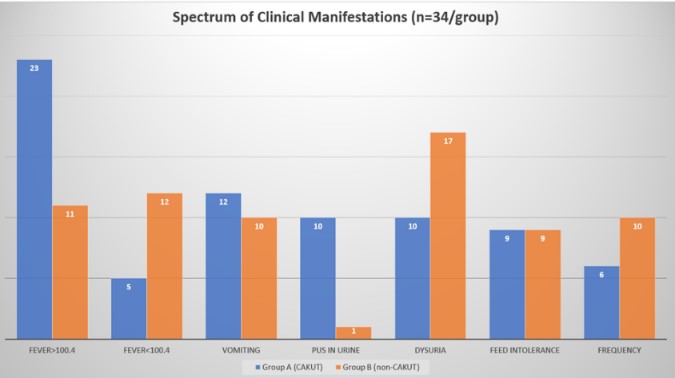
Figure 1: Spectrum of clinical manifestations
Table III: Comparison of antibiotic sensitivity and resistance patterns amongst isolated organisms of Group A (n=34) and Group B (n=34) |
||||
Antibiotic |
CAKUT (Group A) |
Non-CAKUT (Group B) |
||
Sensitivity (%) |
Resistance |
Sensitivity (%) |
Resistance |
|
Drugs with sensitivity* >80% |
||||
Linezolid |
X |
x |
100% |
0% |
Fosfomycin |
100% |
0% |
100% |
0% |
Colistin sulphate |
X |
x |
93.3% |
6.7% |
Polymyxin B |
X |
x |
86.6% |
13.4% |
Drugs with sensitivity* >50 - 80% |
||||
Teicoplanin |
X |
x |
66.6% |
33.4% |
Vancomycin |
X |
x |
66.6% |
33.4% |
Imipenem |
X |
x |
57.1% |
42.9% |
Nitrofurantoin |
34.6% |
65.4% |
51.8% |
48.2% |
Drugs with sensitivity* >20 - 50% |
||||
Meropenem |
46.2% |
53.8% |
37.5% |
62.5% |
Amikacin |
40.7% |
59.3% |
40% |
60% |
Piperacillin/Tazobactam |
42.8% |
57.2% |
33.3% |
66.7% |
Sulbactam/Cefoperazone |
28.5% |
71.5% |
43.5% |
56.5% |
Tobramycin |
36% |
64% |
40% |
60% |
Pipedemic acid |
26.6% |
73.4% |
22.2% |
77.8% |
Norfloxacin |
25.8% |
74.2% |
22.2% |
77.8% |
Nalidixic acid |
20.8% |
79.2% |
10.7% |
89.3% |
Ciprofloxacin |
20.8% |
79.2% |
10.7% |
89.3% |
Drugs with sensitivity* <20% |
||||
Levofloxacin |
X |
x |
20% |
80% |
Co-trimoxazole |
14.3% |
85.7% |
14.3% |
85.7% |
Cefepime |
12.9% |
87.1% |
17.8% |
82.2% |
Ceftazidime |
8.3% |
91.7% |
13% |
87% |
Co-Amoxiclav |
6.6% |
93.4% |
3.8% |
96.2% |
Cefotaxime |
0% |
100% |
3.8% |
96.2% |
Ceftriaxone |
0% |
100% |
3.8% |
96.2% |
Cefuroxime |
0% |
100% |
0% |
100% |
Cefaclor |
X |
x |
0% |
100% |
Cefixime |
X |
x |
0% |
100% |
Gentamycin |
X |
x |
0% |
100% |
The significance of timely diagnosis and appropriate management of pediatric urinary tract infections is preservation of renal function. CAKUT is a main risk factor for long term sequelae of UTIs which require prompt treatment with antibiotics to reduce the risk of renal scarring.
In our comparative study of UTIs in children with and without CAKUT, the former had a male predominance (73.5%) as compared to the non-CAKUT group which showed a predilection for females (55.9%). The mean age of patients with CAKUT was observed to be less (38.9 months) than those without CAKUT (53.9 months). Vesico-ureteric reflux and posterior urethral valves were predominant CAKUT findings. Children with CAKUT were found to have predominant symptoms of pyelonephritis while those without CAKUT had cystitis. The reporting of male preponderance and Escherichia coli as less common organism of UTI in our subjects with CAKUT has also been validated by a Spanish trial.12 A study done in Iraqi children also showed E. coli (50%) and Klebsiella (13.5%) as the common causative organisms of UTIs in pediatric age group.13 It is an important consideration for initiation of empirical treatment in such patients. Another local study identified similar anatomical etiology in the CAKUT group - VUR (59.3%) followed by PUVs (34.3%).14 which was observed in our study as well and also in a previous study conducted at The Children’s hospital, Lahore on complicated UTIs.10 They also demonstrated male predominance (69.4%) with majority of the cases being of children with CAKUT. The predominant isolation of organisms was Klebsiella (40%) followed by E. coli (26%) and Pseudomonas (16%) in contrast to the results of our study showing E. coli to be the commonest bacteria responsible for UTIs (29.4%). Commonly used empirical treatment by Perveen et al showed high rates of resistance to Ceftriaxone (91.8%), Co-Amoxiclav (87.8%), and Ciprofloxacin (79.6%) which was comparable to our results. An Iranian study showed UTI to be more prevalent in girls (70.3%). Common uropathogens included E. coli (51.5%), Klebsiella (16.8%), and Enterococcus (9.9%). It was observed that mostly uropathogens were resistant to Ampicillin (81.2%) and Trimethoprim-sulfamethoxazole (79.2%), and sensitivity was mainly seen to Imipenem (90.1%) and Gentamicin (65.3%).15 Almost similar results were found consistent with the study by Gunduz and colleagues reporting UTI occurring in a high proportion in Turkish girls (69.2%) than boys (30.8%). They also found E. coli (64.2%) to be the most common organism followed by Klebsiella pneumoniae (14.9%). High antimicrobial resistance was seen against Ampicillin (62.6%), Cephalothin (44.2%), Trimethoprim-sulfamethoxazole (29.8%) and Cefuroxime (28.7%).16 A Polish study concluded that CAKUT was a major risk factor for UTIs in children under two years of age. These patients presented more commonly with lower urinary tract symptoms. E. coli was isolated in majority (74%) of the cases. Other uropathogens included Klebsiella, Pseudomonas, Proteus and Enterococcus. Major clinical presentation was fever (63.4%) while nonspecific symptoms (decreased appetite, vomiting, and lethargy) accompanied upper urinary tract infection.17
Our CAKUT group had almost similar results with fever being the predominant symptom (67.6%) along with upper urinary tract manifestations. A review article published by Leung and his coworkers on Pediatric UTI described E. coli to be the commonest organism in 80-90% of the cases. Fever was reported to be the commonest symptom in first two years of life. Upper (fever, painful / tender abdomen) and lower urinary tract infection symptoms (dysuria, frequency and urgency of micturition) were seen in children greater than two years of age. The overview recommended Cephalosporins (2nd/3rd generation) and Co-amoxiclav as drugs of choice for uncomplicated UTIs in comparison to our study which determined a pattern of high resistance to these groups of antimicrobial agents.18 In a study conducted by Nosheen et al, multidrug resistant (MDR) E. coli was isolated in majority of Pakistani pediatric patients (93.26%). Most effective drugs were found to be Colistin sulphate, Nitrofurantoin, Amikacin and Fosfomycin.19 While our data revealed Fosfomycin and Colistin as the most effective drugs against gram negative organisms. An association of CAKUT with multi-drug resistant strains and recurrence of UTI was also observed in Australian pediatric population.20 Another Pakistani cohort (including adults and children) demonstrated UTI to be caused by gram negative isolates (80.2%) with E. coli being the commonest of all (43.2%). Levofloxacin and Polymyxin were found to be effective for gram negative and Vancomycin for gram positive organisms.21 These results were consistent with a Chinese study which also established E. coli to be the commonest bacteria of UTI (40.5%). Children with CAKUT were seen to have proportionately higher atypical uropathogens (P =0.048), had prolonged IV antibiotic treatment (P = 0.010), obviously higher treatment expenses (P < 0.001), and higher recurrence of UTI (23.8 vs. 10.7%, [P < 0.001]).22 The etiological profile of a trial conducted in Spain also showed E. coli (60.3%) as common uropathogens followed by Enterococcus (22.4%) and Klebsiella (6.5%). The list of highly sensitive drugs included Piperacillin-tazobactam, Imipenem, Nitrofurantoin, and Fosfomycin while Co-amoxiclav, Cephalosporins, Gentamicin and Trimethoprim/sulfamethoxazole were least sensitive.23 Shrestha and co-workers reported E. coli (53%), Enterococcus faecalis (22%), Klebsiella pneumoniae (7%) and Staphylococcus aureus (7%) as common uropathogens causing UTI. Multidrug resistance was observed in 32% and extensive drug resistance was seen in 5% against Ampicillin (87%), Ceftriaxone (62%) and Ofloxacin (62%). The antimicrobial susceptibility profile documented Amikacin and Nitrofurantoin as the most effective drugs against gram negative bacteria while gram positive organisms were treated with Vancomycin and Linezolid.24 High resistance rates against common microbes like E. coli have also been seen for Ampicillin (42%), Cotrimoxazole (26.5%) and Co-amoxiclav (12.2%).25 Bullens et al also confirmed high levels of resistance (33.3% - 66.7%) to first- and second-line antibiotics (Ceftriaxone and Ciprofloxacin) used for treating UTIs as per the Médecins Sans Frontières protocol. Only Fosfomycin was found to be less resistant.26 Threshold for resistance to empirical therapy in UTIs is 20% for Trimethoprim-sulfamethoxazole and 10% for Fluoroquinolones as per European Agency for Urology guidelines.27 A systematic review and meta-analysis comparing developed and developing countries showed a major difference in prevalence of antibiotic resistance in UTIs caused by E. coli. The resistance against common antibiotics ranged from 1.3% to 23.6% in the former in contrast to 17% to 79.8% in developing countries. Injudicious prescription of routine antimicrobial agents in primary care setting increased the risk of resistance up to six months.28 The 2022 Global antimicrobial resistance and use surveillance system report also highlighted that >20% resistance rates against first (Co-amoxiclav) and second line (Fluoroquinolones) antibiotics were seen in UTIs caused by E. coli. It is a big blow to the empirical use in UTIs.29 In our study, only few antibiotics (Fosfomycin, Colistin, Linezolid and Polymyxin B) amongst both groups had low resistance. Strengths of our study are that it is an eye opener for all pediatricians in context of rising antibiotic resistance and an invitation to conduct a larger, multicenter study that can help make guidelines for treatment of pediatric UTI in Pakistan. It highlights the need to promote antibiotic stewardship, curb misuse of antibiotics and focus on preventive measures. It will also help in updating antibiogram and revising empirical therapy of UTI in our setup.
Differences exist in clinical presentation, etiology and antibiotic sensitivity patterns specific to UTI in CAKUT and non-CAKUT children. High rate of resistance was found amongst common antibiotics.
Limitations:
Limitations of our study are that it doesn’t encompass patients less than 1 month and more than 16 years of age and targets only a specific population confined to a geographical area which can affect generalizability of results. A larger sample size would have detected significant associations between variables for which multicenter studies are required to enhance the external validity of the findings.
Acknowledgment
We would like to thank doctors and staff of Microbiology department at The Children’s hospital, Lahore for their cooperation in carrying out this study. We also thank Dr Atif Anjum for initial lead towards this topic
- Simões E Silva AC, Oliveira EA, Mak RH. Urinary tract infection in pediatrics: an overview. J Pediatr (Rio J) 2020 Mar-Apr; 96 (Suppl 1): 65-79. https://doi.org/10.1016/j.jped.2019.10.006
- Buettcher M, Trueck J, Niederer-Loher A, et al. . Swiss consensus recommendations on urinary tract infections in children. Eur J Pediatr 2021 Mar; 180 (3):663-674. https://doi.org/10.1007/s00431-020-03714-4
- Rasool U, Rehman S, Ayaz S, Tariq G, & Shah G. Frequency of congenital anomalies of the kidney and urinary tract by means of ultrasonography in neonates at a tertiary-care hospital. Pak Armed Forces Med J 2021; 71 (4): 1214-17. https://doi.org/10.51253/pafmj.v71i4.3914
- Murugapoopathy V, Gupta IR. A primer on congenital anomalies of the kidneys and urinary tracts (CAKUT). CJASN 2020 May 7; 15 (5):723-31. https://doi.org/10.2215/cjn.12581019
- Isert S, Müller D, Thumfart J. Factors Associated With the Development of Chronic Kidney Disease in Children With Congenital Anomalies of the Kidney and Urinary Tract. Front Pediatr 2020 Jun 15; 8:298.
- Dejonckheere Y, Desmet S & Knops N. A study of the 20-year evolution of antimicrobial resistance patterns of pediatric urinary tract infections in a single center. Eur J Pediatr 2022; 181:3271–3281. https://doi.org/10.1007/s00431-022-04538-0.
- O R Ramayani et al. Prevalence of recurrent urinary tract infection in children with congenital anomalies of the kidney and urinary tract (CAKUT). 2018 IOP Conf. Ser.: Earth Environ. Sci. 125 012112. https://doi.org/10.1088/1755-1315/125/1/012112
- Isac R et al. Antibiotic Resistance Patterns of Uropathogens Causing Urinary Tract Infections in Children with Congenital Anomalies of Kidney and Urinary Tract. Children (Basel) 2021 Jul 8; 8(7):585. https://doi.org/10.3390/children8070585
- Bilal H, Khan MN, Rehman T, Hameed MF, Yang X. Antibiotic resistance in Pakistan: a systematic review of past decade. BMC Infect Dis 2021 Mar 6; 21(1): 244. https://doi.org/10.1186/s12879-021-05906-1
- Perveen S, Hafeez F, Akhtar N, Bhati FA, Rabbani IA, Masood S. Changing Trend of Uropathogens and Antimicrobial Sensitivity in Complicated Urinary Tract Infection in Children. Pak Pediatr J 2016; 40(1): 54-58.
- Mattoo TK, Shaikh N, Nelson CP; Contemporary Management of Urinary Tract Infection in Children. Pediatrics Feb 2021; 147 (2): https://doi.org/10.1542/peds.2020-012138
- Palacios Loro ML, Segura Ramírez DK, Ordo˜nez Álvarez FA, Santos Rodríguez F. Congenital anomalies of the kidney and urinary tract. A vision for the pediatrician. An Pediatr (Barc) 2015; 83:442.e1-442.e5. https://www.analesdepediatria.org/en-congenital-anomalies-kidney-urinary-tract--articulo-S2341287915002811
- Raheem RSA, Hussein MA, Al-Din NI. Causative organism of urinary tract infection and drug resistance in children at child’s Central Teaching Hospital in Baghdad City. JPMA 2019; 69 (3): S-59 – S-62.
- Shakoor J, Akhtar N, Perveen S, Zafar GM, Chaudhry A, Hafeez F. Clinical and morphological spectrum of congenital anomalies of kidney and urinary tract (CAKUT) – A tertiary care center experience. Pak Armed Forces Med J 2020; 70 (5): 1565-70. https://pafmj.org/PAFMJ/article/view/5606
- Pouladfar et al. The antibiotic susceptibility patterns of uropathogens among children with urinary tract infection in Shiraz. Medicine (2017); 96 (37): p e7834 http://dx.doi.org/10.1097/MD.0000000000007834
- Gunduz S, Altun HU. Antibiotic resistance patterns of urinary tract pathogens in Turkish children. Glob Health Res Policy 2018; 3 (10): https://doi.org/10.1186/s41256-018-0063-1
- Daniel, M.; Szymanik-Grzelak, H., Sierdzi ´ nski, J., Podsiadły, E., Kowalewska-Młot, M., Pa´nczyk-Tomaszewska, M. Epidemiology and Risk Factors of UTIs in Children—A Single-Center Observation. J. Pers. Med. 2023, 13, 138. https://doi.org/10.3390/ jpm13010138
- Leung AKC, Wong AHC, Leung AAM, Hon KL. Urinary Tract Infection in Children. Recent Pat. Inflamm. Allergy Drug Discov 2019; 13(1): 2-18 https://doi.org/10.2174/1872213X13666181228154940
- Nosheen S, Bukhari NI, Ejaz H, Abbas N. Antibiogram and recent incidence of multi-drug resistant carbapenemase producing Escherichia coli isolated from paediatric patients. Pak J Med Sci. 2020;36(2):246-250. https://doi.org/10.12669/pjms.36.2.928
- Mahony M, McMullan B, Brown J, Kennedy SE. Multidrug-resistant organisms in urinary tract infections in children. Pediatr Nephrol (2020) 35:1563–1573 https://doi.org/10.1007/s00467-019-04316-5
- Amber M, Shoaib M, Rehman A, et al. Comparative study of Causative agents of UTI among Indoor, outdoor, Children and Adult Patients of Pakistani Population. Bull. Env. Pharmacol. Life Sci., Vol 5 [8] July 2016: 34-41
- Lu J et al. Clinical and Microbial Etiology Characteristics in Pediatric Urinary Tract Infection. Front. Pediatr 2022.10:844797. https://doi.org/ 10.3389/fped.2022.844797
- Antonio Sorl´ozano-Puerto et al. Etiological and Resistance Profile of Bacteria Involved in Urinary Tract Infections in Young Children. BioMed Research International; 2017: Article ID 4909452, 8 pages. https://doi.org/10.1155/2017/4909452
- Shrestha B, Baral R, Poudel P, Khanal B. Clinical, etiological and antimicrobial susceptibility profile of pediatric urinary tract infections in a tertiary care hospital of Nepal. BMC Pediatrics (2019); 19:36. https://doi.org/10.1186/s12887-019-1410-1
- Vazourasa K et al. Antibiotic treatment and antimicrobial resistance in children with urinary tract infections. J Glob Antimicrob Resist. 20 (2020) 4–10. https://doi.org/10.1016/j.jgar.2019.06.016
- Bullens et al. Antibiotic resistance in patients with urinary tract infections in Pakistan. PHA 2022; 12(1): 48–52 e-ISSN 2220-8372 https://doi.org/10.5588/pha.21.0071
- Auzin A et al. What is the evidence base of used aggregated antibiotic resistance percentages to change empirical antibiotic treatment? A scoping review. Clin Microbiol Infect 2022; 28: 928-935. https://doi.org/10.1016/j.cmi.2021.12.003
- Bryce A, Hay AD, Lane IF, Thornton HV, Wootton M, Costelloe C. Global prevalence of antibiotic resistance in paediatric urinary tract infections caused by Escherichia coli and association with routine use of antibiotics in primary care: systematic review and meta-analysis. BMJ 2016;352:i939 https://doi.org/10.1136/bmj.i939
- Global antimicrobial resistance and use surveillance system (GLASS) report 2022. Geneva: World Health Organization; 2022. Licence: CC BY-NC-SA 3.0 IGO. https://www.who.int/publications/i/item/9789240062702

An Official Publication of
Islamabad Medical & Dental College
Volume 13 Issue 3
Address of Correspondence
Ali Raz Jafri
Email:
aleejaff@hotmail.com
Authors’ Contribution: 1,2Conception; Literature research; manuscript design and drafting; 3,4 Critical analysis and manuscript review; 5,6Data analysis; Manuscript Editing.
Cite this article. Jafri AR, Akhtar N, Chaudhry A, Hussain AW, Rashid J, Mehdi N. Comparison of Clinical, Etiological and Antibiotic Sensitivity Patterns of UTI in CAKUT and Non CAKUT Children. J Islamabad Med Dental Coll. 2024; 13(3): 407-414
DOI: https://doi.org/10.35787/jimdc.v13i3.1194