Comparative effects of Alpha Tocopherol and Ascorbic Acid on Chronic Stress Induced Neuropeptide Y Derangements
Saadia Zainab1, Tahir Ahmad Munir2, Anjum Ilahi3,4, Adnan Saleem Khan5
1 Assistant Professor, Department of Physiology, Al-Nafees Medical College, Islamabad
2 Professor, Department of Physiology, Mohi-ud-Din Islamic Medical College, Mirpur AJK
3 Associate Professor, Department of Medicine, Al-Nafees Medical College, Islamabad
4 Head, Department of Cardiology, Al-Nafees Medical College, Islamabad
5 Registrar, Department of Cardiology, Al-Nafees Medical College, Islamabad
Background: Stress disturbs body homeostasis and activates several adaptive responses. Good stress, known as Eustress, is associated with positive motivational attitude while bad stress or distress is linked with body dysfunction and aversive behavioral changes in organism such as escape or avoidance of stressor which endanger the body.1 Chronic stressors like prolonged illness, poverty, unemployment and several other factors leads to repetitive stress and cause body dysfunction. Stress affects immune system by activating sympathetic-adrenal-medullary system and the hypothalamic-pituitary-adrenal system that alter the byproducts of oxygen metabolism.2
Neuropeptide Y (NPY) is synthesized in many areas of brain including arcuate nucleus, locus coeruleus, nucleus tractus solitarii and septo-hippocampal nucleus and affects stress-related changes in emotional behavior and feeding. The stress-relieving, anxiolytic and the neuro-protective properties of NPY enables the body to cope with stressful conditions. The rate of NPY synthesis depends on the type and duration of stress exposure. Stress, also contributes to and results from, neurodegenerative diseases such as Alzheimer’s, Parkinson’s and Huntington’s diseases but stress response with normal hormonal milieu has a neuroprotective role.
NPY functions through stimulation of Y1, Y2, Y4 and Y5 receptors, counteracts the biological actions of corticotropin releasing hormone and also exerts anxiolytic effects. A research showed that NPY knockout mice were more anxious compared to healthy controls.3 An increased NPY concentration in brain and plasma is also seen in inflammatory visceral stress of crohn’s disease and ulcerative colitis. A negative correlation between behavioral disruption and cerebral NPY expression is seen in post-traumatic stress disorder in animal studies.4
Overstimulation of stress hormones like catecholamine, cortisol and arginine vasopressin tend to increase metabolism and formation of reactive oxygen species (ROS) through metabolic oxidative phosphorylation resulting in a disturbance in the reduction-oxidation homeostasis.5 NPY lessens the effects of these stress hormones and normalizes body functions.
Alpha-tocopherol (AT) commonly known as vitamin E, is a low-molecular-weight, lipid-soluble, chain-breaking antioxidant, located in tissue membranes. It prevents lipid peroxidation of membranes by interfering with the proliferation of lipid radicals and is capable of scavenging ROS.6
Ascorbic acid (AA) or vitamin C is a hydrophilic compound, present in cytosol and extracellular fluid, either in reduced or oxidized forms, has the ability to act as a reducing agent or detoxifies various oxygen radicals in vivo. The antioxidant activity involves its conversion to oxidized form (dehydro-ascorbic acid) by donating two electrons to ROS, and helps in recycling tocopherol.7 So, AT and AA antioxidants, are thought to prevent stress induced damage and work with endogenous antioxidants enzyme systems to decrease oxidative stress and widespread oxidative damage. Although international literature points out the interaction of AT and AA with NPY-ergic system, scarcity of the data in our country urged us to do the current study.
In this study the objective was to compare the stabilizing effect of antioxidants AT and AA on plasma NPY levels in oxidative stress caused by prolonged restraint of experimental animals.
Material & Methods:This quasi-experimental study was done at Al-Nafees Medical College (ANMC) and Hospital Islamabad in collaboration with National Institute of Health (NIH) Islamabad after approval from the Institutional Review Board of ANMC (letter number: F.2/IUIC-ANMC/EC-58/2015). Total duration of the study was one year from January 2015 to January 2016. Sixty adult male Sprague Dawley rats were obtained from National Institute of Health Islamabad. They were ere equally divided into four groups, with 15 rats in each group by convenient sampling technique. The mean body weight was 275±25 gm. Sample size was calculated with 95% confidence interval, power of 80 and effect size by open epi calculator.
Grouping was done as follows: Group I: Control, Group II: Restraint stress (keeping rats in mesh wire restrainer), Group III: Restraint stress + Alpha tocopherol - 50mg/kg body weight /day by gavage)8 and Group IV: Restraint stress + Ascorbic acid (100mg/kg body weight/day by gavage).9
Rats were kept in stainless steel cages in a humidity and temperature-controlled room (22 ± 2°C) on a 12:12-h light-dark cycle and handled for 1 week before the start of the experiment.
Stress was induced in group II rats through food deprivation and they were immobilized by keeping them individually in wire mesh restrainer for 6 hours/ day × 28 days.10 Group III was exposed to restraint stress and supplemented with AT 50mg/kg body weight /day orally by gavage. After induction of restraint stress, group IV was supplemented with AA 100mg/kg body weight /day orally by gavage after mixing in 2 ml drinking water. Doses of AT and AA both were calculated on the basis of their antioxidant effects which can be achieved by selection of the oxidative stress dose in rats. Control group and restraint group were given simple drinking water by gavage.
After induction of chronic restraint stress for a period of 28 consecutive days, 5 rats at a time were placed in closed chamber with ether-soaked cotton. It took 5-6 minutes for rats to get anesthetized. Cardiac puncture was done with 23-gauge cardiac puncture needle and 4 cc blood samples were taken from each rat.11 The blood samples were transferred to separate vacutainers containing anti-coagulant EDTA for plasma. The samples were centrifuged at 3000 rpm for 15 minutes and transferred to labelled Eppendorf tubes. Plasma was stored at -20oC for NPY, ELISA biochemical analysis.
Results: A significant decrease in plasma neuropeptide Y levels was seen in group II compared to group I, group III and group IV. However, alpha-tocopherol administration in group III showed positive effects on maintenance of plasma neuropeptide Y concentration with better p trend than that of ascorbic acid supplementation in group IV.
Conclusion(s): Alpha-tocopherol supplementation has more potent effect than that of ascorbic acid on chronic restraint stress induced derangements in neuropeptide Y levels. It leads to less imbalance in neuropeptide Y levels during chronic stress.
Key words: Ascorbic Acid, Alpha-Tocopherol, Chronic Stress, Neuropeptide Y
Stress disturbs body homeostasis and activates several adaptive responses. Good stress, known as Eustress, is associated with positive motivational attitude while bad stress or distress is linked with body dysfunction and aversive behavioral changes in organism such as escape or avoidance of stressor which endanger the body.1 Chronic stressors like prolonged illness, poverty, unemployment and several other factors leads to repetitive stress and cause body dysfunction. Stress affects immune system by activating sympathetic-adrenal-medullary system and the hypothalamic-pituitary-adrenal system that alter the byproducts of oxygen metabolism.2
Neuropeptide Y (NPY) is synthesized in many areas of brain including arcuate nucleus, locus coeruleus, nucleus tractus solitarii and septo-hippocampal nucleus and affects stress-related changes in emotional behavior and feeding. The stress-relieving, anxiolytic and the neuro-protective properties of NPY enables the body to cope with stressful conditions. The rate of NPY synthesis depends on the type and duration of stress exposure. Stress, also contributes to and results from, neurodegenerative diseases such as Alzheimer’s, Parkinson’s and Huntington’s diseases but stress response with normal hormonal milieu has a neuroprotective role.
NPY functions through stimulation of Y1, Y2, Y4 and Y5 receptors, counteracts the biological actions of corticotropin releasing hormone and also exerts anxiolytic effects. A research showed that NPY knockout mice were more anxious compared to healthy controls.3 An increased NPY concentration in brain and plasma is also seen in inflammatory visceral stress of crohn’s disease and ulcerative colitis. A negative correlation between behavioral disruption and cerebral NPY expression is seen in post-traumatic stress disorder in animal studies.4
Overstimulation of stress hormones like catecholamine, cortisol and arginine vasopressin tend to increase metabolism and formation of reactive oxygen species (ROS) through metabolic oxidative phosphorylation resulting in a disturbance in the reduction-oxidation homeostasis.5 NPY lessens the effects of these stress hormones and normalizes body functions.
Alpha-tocopherol (AT) commonly known as vitamin E, is a low-molecular-weight, lipid-soluble, chain-breaking antioxidant, located in tissue membranes. It prevents lipid peroxidation of membranes by interfering with the proliferation of lipid radicals and is capable of scavenging ROS.6
Ascorbic acid (AA) or vitamin C is a hydrophilic compound, present in cytosol and extracellular fluid, either in reduced or oxidized forms, has the ability to act as a reducing agent or detoxifies various oxygen radicals in vivo. The antioxidant activity involves its conversion to oxidized form (dehydro-ascorbic acid) by donating two electrons to ROS, and helps in recycling tocopherol.7 So, AT and AA antioxidants, are thought to prevent stress induced damage and work with endogenous antioxidants enzyme systems to decrease oxidative stress and widespread oxidative damage. Although international literature points out the interaction of AT and AA with NPY-ergic system, scarcity of the data in our country urged us to do the current study.
In this study the objective was to compare the stabilizing effect of antioxidants AT and AA on plasma NPY levels in oxidative stress caused by prolonged restraint of experimental animals.
This quasi-experimental study was done at Al-Nafees Medical College (ANMC) and Hospital Islamabad in collaboration with National Institute of Health (NIH) Islamabad after approval from the Institutional Review Board of ANMC (letter number: F.2/IUIC-ANMC/EC-58/2015). Total duration of the study was one year from January 2015 to January 2016. Sixty adult male Sprague Dawley rats were obtained from National Institute of Health Islamabad. They were ere equally divided into four groups, with 15 rats in each group by convenient sampling technique. The mean body weight was 275±25 gm. Sample size was calculated with 95% confidence interval, power of 80 and effect size by open epi calculator.
Grouping was done as follows: Group I: Control, Group II: Restraint stress (keeping rats in mesh wire restrainer), Group III: Restraint stress + Alpha tocopherol - 50mg/kg body weight /day by gavage)8 and Group IV: Restraint stress + Ascorbic acid (100mg/kg body weight/day by gavage).9
Rats were kept in stainless steel cages in a humidity and temperature-controlled room (22 ± 2°C) on a 12:12-h light-dark cycle and handled for 1 week before the start of the experiment.
Stress was induced in group II rats through food deprivation and they were immobilized by keeping them individually in wire mesh restrainer for 6 hours/ day × 28 days.10 Group III was exposed to restraint stress and supplemented with AT 50mg/kg body weight /day orally by gavage. After induction of restraint stress, group IV was supplemented with AA 100mg/kg body weight /day orally by gavage after mixing in 2 ml drinking water. Doses of AT and AA both were calculated on the basis of their antioxidant effects which can be achieved by selection of the oxidative stress dose in rats. Control group and restraint group were given simple drinking water by gavage.
After induction of chronic restraint stress for a period of 28 consecutive days, 5 rats at a time were placed in closed chamber with ether-soaked cotton. It took 5-6 minutes for rats to get anesthetized. Cardiac puncture was done with 23-gauge cardiac puncture needle and 4 cc blood samples were taken from each rat.11 The blood samples were transferred to separate vacutainers containing anti-coagulant EDTA for plasma. The samples were centrifuged at 3000 rpm for 15 minutes and transferred to labelled Eppendorf tubes. Plasma was stored at -20oC for NPY, ELISA biochemical analysis.
Means (+SD) of plasma NPY levels in different groups were calculated. The difference in means of plasma NPY levels between and withing the groups was calculated by One-way ANOVA and Post hoc Tuckey test. P-value >0.05 was taken as statistically significant.
The results showed that plasma NPY levels in control group I ranged between 0.502-0.690 ng/ml with a mean±SD 0.619±0.05, while in restraint stress group II, plasma NPY levels ranges between 0.221-0.513 ng/ml with a mean±SD value of 0.357± 0.07.9 (Table I). The plasma NPY levels of group III restraint supplemented with alpha-tocopherol (50mg/kg/body weight/day) ranges between 0.513-0.682 ng/ml with a mean ±SD value of 0.570± 0.05 ng/ml while NPY levels in group IV, restraint with ascorbic acid (100mg/kg/body weight/day) ranges between 0.465-0.643 ng/ml with a mean ±SD value of 0.554± 0.04 ng/ml (Table I).
A linear relationship between NPY absorbance against standard concentrations was obtained. (Figure 1) This standard curve was plotted by presenting the known concentrations of standard on the log scale (x-axis) and its corresponding corrected absorbance on y-axis. The value of y intersect was used to calculate the concentration of samples.
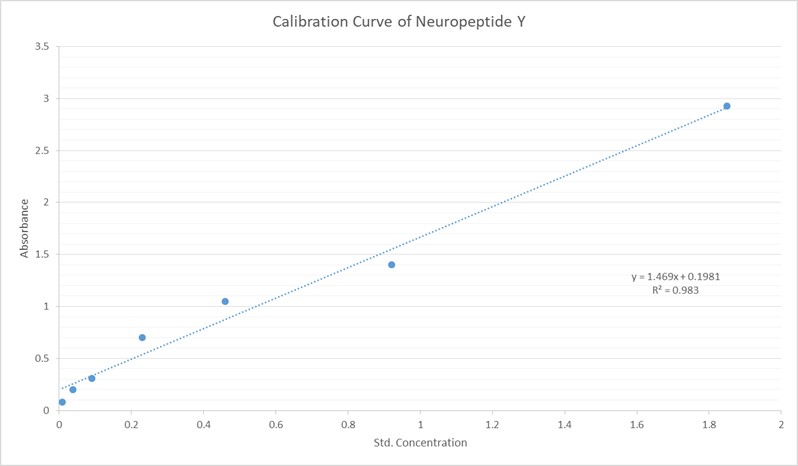
Figure 1: Calibration curve between standard concentration and absorbance of Neuropeptide-Y
Table I: Comparison of Mean ±SD of plasma Neuropeptide Y in different groups. |
|||||
Variable |
Groups |
Mean ± SD |
95% CI |
P -value |
|
NPY |
I |
II |
0.357± 0.07 |
0.2120 -0.3148 |
0.001 |
III |
0.570± 0.05 |
0.0108 – 0.0904 |
0.212 |
||
IV |
0.554± 0.04 |
0.0273 – 0.1035 |
0.047 |
||
II |
III |
0.570± 0.05 |
-0.2618 - -0.1638 |
0.001 |
|
IV |
0.554± 0.04 |
-0.2454 - -0.1505 |
0.001 |
||
III |
IV |
0.554± 0.04 |
-0.0201 – 0.0498 |
0.961 |
|
Table II. One Way ANOVA for NPY between and within the Groups |
||||||
|
Sum of Squares |
Df |
Mean Square |
F |
P -value |
|
NPY |
Between Groups |
.671 |
4 |
.168 |
41.219 |
.000 |
Within Groups |
.285 |
70 |
.004 |
- |
- |
|
A statistically significant difference was noticed when NPY values were compared between group I and II, and I and IV, however, the values was found to be non-significant (P-0.212) when control group was compared with group III (Table I).
Our results showed an increased plasma concentration of NPY in control group compared to restraint group. These results are consistent with Grisé et al12 who showed increased plasma NPY levels in control group compared to restraint group, while Hassan et al13 showed same results in a study conducted on mice. Our results are not in agreement with Zhang et al14 who showed decreased NPY levels in control group, the difference may be due to use of rodent female rat strain and use of different kits. Eskandarzade N et al15 showed same plasma NPY level of control group and in starved rats.
Restraint stress in the form of food deprivation and immobilization was induced in rats of group II. Data of group II showed low plasma NPY levels than that of control group I and other experimental groups III, IV. The results are similar with Daubert et al16 who showed decreased plasma NPY levels in rats with chronic restrained stress. Results shown by Kuo et al17 were different from our study, who concluded that chronic restraint stress raises plasma NPY levels. The reason of difference could be lesser duration of stress exposure.
Our results showed low levels of plasma NPY in restraint stress group given AT compared to control group I. A study conducted by Salehi et al18 showed similar results that used high fat diet to induce oxidative stress that was later ameliorated by administration of AT and AA in combination. In this study combination of two antioxidants was used because AA potentiates the action of AT when used in combination, by recycling the radical of AT to protect the cell membranes from lipid peroxidation caused by accumulation of ROS. Thereby antioxidants reduce neuronal toxicity by sparing action on neuronal cell membranes and secretion.18 Similar results were noticed by Hounsom et al19 who found depleted plasma NPY levels in rats deficient in alpha-tocopherol compared to control group. Another study conducted on mice given AT in fish oil showed improved cognitive functions and maintenance of NPY mRNA in the brain.20
AT along with angiotensin converting enzyme inhibitors decrease the formation of ROS in intima and media of aortic walls in mice with atherosclerosis. Accumulation of ROS is a feature of both atherosclerosis and high concentrations of angiotensin II in vasculature.21 AT increases the permeability of blood brain barrier in streptozotocin induced convulsions in albino rats and spare the action on NPY release to attain the anticonvulsant effect of NPY.22 AT, in any form, inhibits oxidation of low density lipoproteins and decreases phenomenon of thromboembolism and clot formation and hence decreases heart attacks. When it is given in combination with ascorbic acid (AA) and carotenoids provides safer and effective results.23
In our study ascorbic acid (AA) supplementation given to rats exposed to restraint stress showed decreased NPY plasma levels compared to control group. The results are in agreement with Simonneaux et al24 who showed potentiating effects of NPY on rhythmic pineal gland secretion by AA on rodent model.
Another study conducted by Dixit et al25 have established link between AA deficiency, impaired cognition and oxidative stress showing membrane stabilizing effects of AA in oxidative stress. The intracerebroventricular administration of AA leads to markedly decreased food intake in rats by interfering with actions of dopamine and NPY.26
AT being lipophilic, acts readily on cell membranes and stops lipid peroxidation and quench free radicals potently. However, hydrophilic AA target cytosol and plasma alone and in synergism with AT to mop ROS directly.27 Bartali et al showed more potent antioxidant ability of AT for free radical scavenging as compared to AA by keeping membrane integrity and intact secretory activity of NPY. It has been determined that deficiency of AT with aging leads to a decline in physical function.28
Present study showed statistically significant decline in NPY plasma levels after induction of chronic stress. Comparable results of NPY plasma levels of control group and experimental groups with supplementation of AT and AA were obtained. Although statistically insignificant results were obtained between the groups supplemented with AT and AA, but p trend showed better maintenance of NPY levels with AT supplementation.
Limitation:Biochemical analysis could not be done in duplicate due to financial and time constraint.
Alpha-tocopherol supplementation may exert more beneficial effects than ascorbic acid on chronic restraint induced oxidative stress and derangements in Neuropeptide Y levels.
Mechanism of action of NPY at receptor level needs to be worked out. Effects of antioxidants on other stress hormones like glutamate and gamma aminobutyric acid can be studied
- Kozusznik MW, Rodríguez I, Peiró JM. Eustress and distress climates in teams: Patterns and outcomes. International Journal of Stress Management 2015; 22(1): 1-23. Doi: 10.1037/a0038581
- Srivastava KK, Kumar R. Stress, oxidative injury and disease. Indian J. Clin. Biochem. 2015; 30(1): 3-10. Doi: 10.1007/s12291-014-0441-5
- Reichmann F, Holzer P. Neuropeptide Y: a stressful review. Neuropeptides. 2016; 55: 99-109. Doi: 10.1016/j.npep.2015.09.008
- Holzer P, Farzi A, Hassan AM, Zenz G, Jačan A, Reichmann F. Visceral inflammation and immune activation stress the brain. Front Immunol. 2017; 8: 1613. Doi: 10.3389/fimmu.2017.01613
- Wood SK, Bhatnagar S. Resilience to the effects of social stress: Evidence from clinical and preclinical studies on the role of coping strategies. Neurobiol Stress. 2015; 1: 164-73. Doi: 10.1016/j.ynstr.2014.11.002
- Chen AY, Lü JM, Yao Q, Chen C. Entacapone is an Antioxidant More Potent than Vitamin C and Vitamin E for Scavenging of Hypochlorous Acid and Peroxynitrite, and the Inhibition of Oxidative Stress-Induced Cell Death. Med Sci Monit 2016; 22: 687. Doi: 10.12659/msm.896462
- Bursać-Mitrović M, Milovanović DR, Mitić R, Jovanović D, Sovrlić M, Vasiljević P et al. Effects of L-ascorbic acid and alpha-tocopherol on biochemical parameters of swimming-induced oxidative stress in serum of guinea pigs. Afr J Tradit Complement Altern Med. 2016; 13(4): 29-33. Doi: 10.21010/ajtcam.v13i4.5
- Ghorbel I, Elwej A, Fendri N, Mnif H, Jamoussi K, Boudawara T, Grati Kamoun N, Zeghal N. Olive oil abrogates acrylamide induced nephrotoxicity by modulating biochemical and histological changes in rats. Ren Fail. 2017; 39(1): 236-45. Doi: 10.1080/0886022X.2016.1256320
- Ahmed OM, Ashour MB, Fahim HI, Ahmed NA. Citrus limon and paradisi fruit peel hydroethanolic extracts prevent the progress of complete freund’s adjuvant-induced arthritis in male wistar rats. Adv Anim Vet Sci. 2018; 6(10): 443-55.
- Lodhi GM, Latif R, Hussain MM, Naveed AK, Aslam M. Effect of ascorbic acid and alpha tocopherol supplementation on acute restraint stress induced changes in testosterone, corticosterone and nor epinephrine levels in male Sprague Dawley rats. J Ayub Med Coll Abbottabad. 2014; 26(1): 7-11. PMID: 25358206
- Kumar M, Dandapat S, Sinha MP, Kumar A, Raipat BS. Different blood collection methods from rats: A review. Balneo Res. J. 2017; 8(2): 46-50. Doi: 10.12680/balneo.2017.141
- Grisé KN, Olver TD, McDonald MW, Dey A, Jiang M, Lacefield JC, et al. High Intensity Aerobic Exercise Training Improves Deficits of Cardiovascular Autonomic Function in a Rat Model of Type 1 Diabetes Mellitus with Moderate Hyperglycemia. J Diabetes Res. 2016; 2016. 8164518e. Doi: 10.1155/2016/8164518
- Hassan A, Jain P, Reichmann F, Mayerhofer R, Farzi A, Schuligoi R, et al. Repeated predictable stress causes resilience against colitis-induced behavioral changes in mice. Front Behav Neurosci. 2014; 8: 386-90. Doi: 10.3389/fnbeh.2014.00386
- Zhang P, Qi YX, Yao QP, Chen XH, Wang GL, Shen BR, et al. Neuropeptide Y stimulates proliferation and migration of vascular smooth muscle cells from pregnancy hypertensive rats via Y1 and Y5 receptors. PloS one. 2015; 10(7): e0131124. Doi: 10.1371/journal.pone.0131124
- Eskandarzade N, Saeb M, Nazifi S, Saeb S, Kazemipour N, Ansari-Lari M. The effect of long-term starvation on galanin, leptin, thyroid hormones, insulin, prolactin, growth hormone, ghrelin and factors involved in energy metabolism in adult goats. J Fac Vet Med Istanbul Univ. 2015; 41: 143-50.
- Daubert DL, Looney BM, Clifton RR, Cho JN, Scheuer DA. Elevated corticosterone in the dorsal hindbrain increases plasma norepinephrine and neuropeptide Y, and recruits a vasopressin response to stress. Am J Physiol Regul Integr Comp Physiol. 2014; 307(2): R212-24. Doi: 10.1152/ajpregu.00326.2013
- Kuo LE, Czarnecka M, Kitlinska JB, Tilan JU, Kvetňanský R, Zukowska Z. Chronic stress, combined with a high‐fat/high‐sugar diet, shifts sympathetic signaling toward neuropeptide Y and leads to obesity and the metabolic syndrome. Ann N Y Acad Sci. 2008; 1148(1): 232-7. Doi: 10.1196/annals.1410.035
- Salehi I, Saidijam M, Vahidinia AA, Sohrabi M, Asl SS. High Fat Diet-Induced Neurotoxicity Alters Following Vitamin E and C Administration in Hippocampus of Male Rats. Gene Cell Tissue. 2017; 4(4): e58383. Doi: 10.5812/gct.58383
- Hounsom L, Corder R, Patel J, Tomlinson DR. Oxidative stress participates in the breakdown of neuronal phenotype in experimental diabetic neuropathy. Diabetologia. 2001; 44(4): 424-8. Doi: 10.1007/s001250051638
- Avraham Y, Saidian M, Burston JJ, Mevorach R, Vorobiev L, Magen I, et al. Fish oil promotes survival and protects against cognitive decline in severely undernourished mice by normalizing satiety signals. J Nutr Biochem. 2011; 22(8): 766-76. Doi: 10.1016/j.jnutbio.2010.07.001
- Abd Alla J, el Faramawy Y, Quitterer U. Microarray gene expression profiling reveals antioxidant-like effects of angiotensin II inhibition in atherosclerosis. Front Physiol. 2013; 4: 148. Doi: 10.3389/fphys.2013.00148
- Yorulmaz H, Seker FB, Oztas B. Effect of vitamin E on blood-brain barrier permeability in aged rats with PTZ-induced convulsions. Neurophysiol. 2011; 42(5): 349-53.
- Renata M, Masha L, Jose L, Shahab K, Gitanjali M, Mayuree R. Etiologic effects and optimal intakes of foods and nutrients for risk of cardiovascular diseases and diabetes: Systematic reviews and meta-analyses from the Nutrition and Chronic Diseases Expert Group. PLoS One. 2017; 12(4): e0175149. Doi: 10.1371/journal.pone.0175149
- Simonneaux V, Ouichou AH, Craft C, Pévet P. Presynaptic and postsynaptic effects of neuropeptide Y in the rat pineal gland. J Neurochem. 1994; 62(6): 2464-71. Doi: 10.1046/j.1471-4159.1994.62062464.x
- Dixit S, Bernardo A, Walker JM, Kennard JA, Kim GY, Kessler ES, et al. Vitamin C deficiency in the brain impairs cognition, increases amyloid accumulation and deposition, and oxidative stress in App/PSEN1 and normally aging mice. ACS Chem Neurosci. 2015; 6(4): 570-81. Doi: 10.1021/cn500308h
- Abbasnejad M, Sofiabadi M, Moghimi A, Sadeghian N. The effects of intracerebroventricular injection of ascorbic acid on feeding behavior in male rats. J Jahrom Univ Med Sci. 2012; 10(3): 47-50. Doi:10.29252/jmj.10.3.57
- Forni LG. Metabolic resuscitation in sepsis: could antioxidants be the answer? SIGNA VITAE. 2017; 13(3): 16-19. Doi:10.22514/SV133.062017.2
- Bartali B, Curto T, Maserejian NN, Araujo AB. Intake of antioxidants and subsequent decline in physical function in a racially/ethnically diverse population. J Nutr Health Aging. 2015; 19(5): 542-7. Doi:10.1007/s12603-015-0449-4