Management of Empyema Gallbladder During COVID-19 Pandemic
Muneeb Ullah1, Muhammad Faisal Murad2, Muhammad Kashif Khan3,Faisal Nadeem4
1 Assistant Consultan Surgery, Maroof International, Islamabad
2 Chief of Surgery, MIH
3 Consultan Surgery, Polyclinic, Islamabad
4 Assistant Consultan Surgery, MIH
Cholecystostomy is performed in high-risk patients with gall bladder disease. These patients are generally elderly with multiple comorbidities; in particular cardiac patients with uncontrolled diabetes, and present late with acute cholecystitis with systemic inflammation. The management of such high-risk patients requires multi-departmental approach. COVID-19 pandemic has widely affected the management guidelines including timing of surgery, extent of pre-operative optimization, use of laparoscopy for surgery and intensive care requirement. We report a case of elderly hypertensive and diabetic patient who presented during the first wave of COVID-19 pandemic with fever, vomiting and pain abdomen. He was diagnosed with empyema gallbladder. Cholecystostomy was performed as a temporizing measure which was followed by elective laparoscopic cholecystectomy as daycare admission. This averted the need for possible intensive care stay and emergency surgery whereas providing equally good outcome.
Keywords: Laparoscopic Cholecystectomy, Empyema, Gallbladder, Cholecystostomy, Cholelithiasis
During the first wave of COVID-19 pandemic in Pakistan, there was an overflow of patients in outpatient departments and emergencies as well as shortage of beds in high dependency and intensive care units. Moreover COVID-19 pandemic has made doctors to change management plans depending upon individual cases and available resources. Empyema gallbladder is an emergency and needs intervention at earliest. Gallstone impacted at neck is the common the cause of Empyema gallbladder. In high-risk patients, the decision regarding management of gallstone disease can vary i.e., conservative management, surgery (open or laparoscopic), interval cholecystectomy, cholecystostomy, etc. Cholecystostomy is a relatively safe and efficient temporizing measure in the treatment of acute gallstone related disease (cholecystitis, empyema, etc.) in high-risk patients averting the need for anesthesia and emergency surgery1, 2. These high-risk patients include those who are not suitable for immediate Laparoscopic Cholecystectomy (LC) such as elderly, severely septic patients, those admitted with shock, having poor physiologic reserve or the ones in intensive care unit3. Percutaneous cholecystostomy (PC) is performed usually by interventional radiologist using transhepatic or transperitoneal route under local anesthesia4. Many Western countries suggest that PC could be used as an alternative for cholecystectomy in patients with severe comorbidities or those unfit for surgery5, 6. The risks associated with PC in high-risk patients are minimal with postoperative morality ranging from 10 to 12% as compared to LC ranging from 5 to 30%7, 8. These include blood loss, tube dislodgement, blockage, bile leakage, organ perforation etc9, 10. Once cholecystostomy is performed, the patient can be optimized for elective LC that is performed usually after 6 to 8 weeks. This also allows the patient to recover from acute illness11. PC catheter can be removed prior to or during the surgery2. We present a case of a patient who presented in early COVID-19 pandemic wave with empyema gallbladder and was initially managed with PC in acute phase followed by elective LC.
A 65-year-old retired male officer, belonging to a middle-class family residing in Islamabad, presented with pain right hypochondrium that radiated to back and right shoulder, fever with chills and rigors and vomiting that was non-bilious for one day. He was a known case of hypertension and uncontrolled diabetes. Family history was unremarkable. Patient had no allergies, addictions and any surgical history. On examination, he was found to have tachycardia, fever of 99.50F and dehydration. Abdominal examination showed mild guarding in right upper quadrant. Liver function tests (LFTs) and serum amylase were normal while C-reactive proteins (CRP) levels were high. Ultrasound showed overdistended gallbladder (110mmx60mm) with wall thickness of 10mm, a stone 10.9mm impacted at neck of gallbladder, debris in gallbladder and pericholecystic fluid. Common bile duct was normal (4.1mm). D Dimers, International Normalized Ratio and HbA1c were raised. Severe Acute Respiratory Syndrome corona virus 2 (SARS-CoV2) was negative. Computerized Tomographic (CT) Scan was performed that showed pericholecystic fluid/collection and stone impacted at neck of gallbladder as shown in Figure 1 and Figure 2.
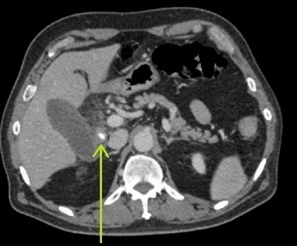
Figure 1: Gallstone impacted at neck of Gallbladder
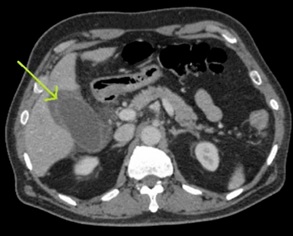
Figure 2: Pericholecystic Fluid/Collection
The diagnosis of empyema gallbladder with contained perforation was made and emergency laparoscopic cholecystectomy was planned. Anesthetist considered the patient to be high risk and wanted to confirm availability of bed in High dependency unit (HDU) or Intensive care unit (ICU) after the surgery. Due to COVID-19 Pandemic, all the hospitals were overwhelmed by influx of COVID-19 patients. There was overcrowding of HDUs and ICUs in hospitals all over the country. Bed availability could not be confirmed nor transfer the patient in such situation to another hospital was possible. On second day, tenderness and guarding persisted in right upper quadrant. CRP levels and D Dimers further increased. Antibiotics were upgraded. Patient was discussed in multidisciplinary team meeting. It was decided that cholecystostomy should be performed considering the high-risk case and non-availability of HDU or ICU. Image guided cholecystostomy was performed by Interventional Radiologist. Next day, patient’s clinical parameters improved alongside decreased tenderness. Patient had fever spike of 99.50 F. CRP and D Dimers started decreasing after 36 hours. Patient was discharged after 48hours on injectable antibiotics as per culture report. Six weeks later elective laparoscopic cholecystectomy was performed with optimized glycemic control and hypertension. Patient was discharged, as daycare procedure, in evening. He came for first follow up after 3 days where he had no active complaints except for mild pain on exertion. He was started on regular diet and basic routine activities. On 10th post operative day, stitches were removed and a video session of the laparoscopic procedure was done with the patient. The patient then started all his routine activities and diet without any restrictions from surgical team.
Table I: Laboratory Parameters |
Normal Values |
|||
Liver Function Tests |
Bilirubin |
0.29 mg/dL |
0.2 to 1.3 |
|
Aspartate Aminotransferase |
21 U/L |
0 to 41 |
||
Alanine Transaminase |
18 U/L |
0 to 41 |
||
Alkaline Phosphatase |
73 U/L |
30 to 115 |
||
C- Reactive Protein (High Sensitive) |
Day 1 |
279mg/L |
<1.0mg/L Low risk |
|
Day 2 |
516.1 mg/L |
|||
Day 3 |
226.8 mg/L |
|||
D Dimers |
Day 1 |
1853ng/mL |
<500 Negative |
|
Day 2 |
15456ng/mL |
|||
Day 3 |
8994ng/mL |
|||
Serum Amylase |
43 U/L |
28 to 100 |
||
International Normalized Ratio |
1.61 |
0.8 to 1.2 |
||
Prothrombin Time |
21 Seconds |
9 to 14 |
||
HbA1c |
9.2% |
4.8 to 6.4 |
||
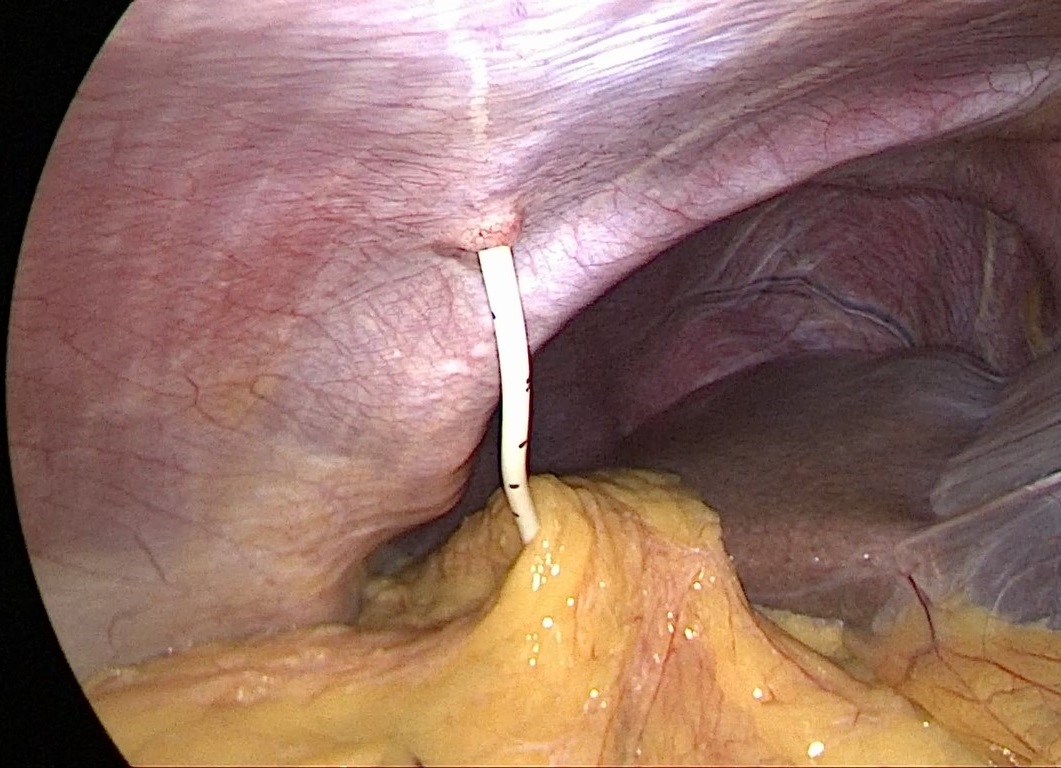
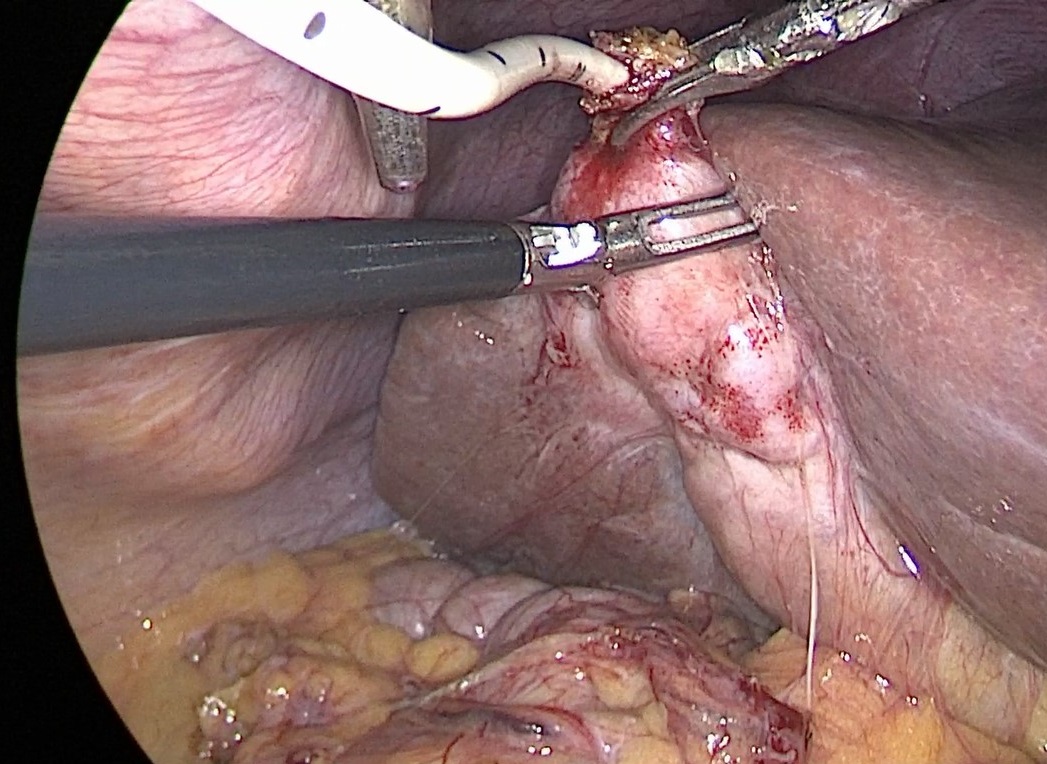
Figure 3: Peroperative images of cholecystostomy and drain.
LC can be done as emergency procedure, early or interval LC. The treatment may vary from one individual to another depending upon different parameters that include age, acute presentation and presence of comorbid conditions like hypertension, diabetes, ischemic heart disease, active COVID-19 infection, sepsis, etc. LC in such high-risk patients can lead to increased risk of conversion to open surgery, per operative complications and longer duration of hospital stay with need for HDU/ICU12. In patients where the risks of morbidity and mortality outweigh the standard LC, percutaneous cholecystostomy is a safe alternative to resolve the active disease process1, 2, 9. PC aids in averting the emergency situation thereby decreasing the risks of perioperative complications and planning for definitive surgery later on after optimization8. However patient needs to be readmitted and planned for surgery after 6 to 8 weeks2. There is no standardization regarding the timing of interval cholecystectomy after PC. There is no consensus on whether the catheter is to be removed during the definitive surgery or earlier. There are many who consider PC as the definitive treatment for high-risk patients3. PC adds to medical expenses due to readmission later on for definitive surgery and removal of catheter. There is also associated risk of tube dislodgement, bleeding, tube site infection, local discomfort, tube blockage, cholangitis, etc1. Challenges may be faced while performing PC in patients with deranged coagulation profile, those who have gallbladder full of stones, cirrhotic liver, ascites, phlegmon, etc. Due to COVID-19 pandemic, all hospitals were overcrowded especially the high dependency units and intensive care units. There was lack of oxygen supply, availability of ventilators, guidelines about laparoscopic and open surgeries in emergency setting and human resources. In such cases, one has to consider the optimum management plan for the patient and use multidisciplinary approach.
Percutaneous cholecystostomy helped in avoiding risks associated with emergency surgery in this high-risk patient. Interval laparoscopic cholecystectomy performed later as definitive procedure improved outcomes in terms of morbidity and mortality. Considering non availability of high dependency units and intensive care units during the first wave of COVID-19 pandemic, this management plan helped in converting an emergency procedure to an elective planned procedure.
Randomized control trials should be done to establish guidelines regarding when to perform PC, when to remove the catheter and what is the optimum timing for definitive surgery.
- Kamer E, Cengiz F, Cakir V, Balli O, Acar T, Peskersoy M, et al. Percutaneous cholecystostomy for delayed laparoscopic cholecystectomy in patients with acute cholecystitis: analysis of a single-centre experience and literature review. Prz Gastroenterol. 2017; 250–5. Doi: 10.5114/pg.2017.72098
- Hung Y-L, Sung C-M, Fu C-Y, Liao C-H, Wang S-Y, Hsu J-T, et al. Management of patients with acute cholecystitis after percutaneous cholecystostomy: From the acute stage to definitive surgical treatment. Front Surg. 2021; 8:616320. Doi: 10.3389/fsurg.2021.616320
- Aroori S, Mangan C, Reza L, Gafoor N. Percutaneous cholecystostomy for severe acute cholecystitis: A useful procedure in high-risk patients for surgery. Scand J Surg. 2019; 108(2):124–9. Doi: 10.1177/1457496918798209
- Er S, Berkem H, Özden S, Birben B, Çetinkaya E, Tez M, et al. Clinical course of percutaneous cholecystostomies: A cross-sectional study. World J Clin Cases. 2020; 8(6):1033–41. Doi: 10.12998/wjcc.v8.i6.1033
- Sugrue M, Coccolini F, Bucholc M, Johnston A, Contributors from WSES. Intra-operative gallbladder scoring predicts conversion of laparoscopic to open cholecystectomy: a WSES prospective collaborative study. World J Emerg Surg. 2019; 14(1):12. Doi: 10.1186/s13017-019-0230-9
- Abe K, Suzuki K, Yahagi M, Murata T, Sako H, Ishii Y. The efficacy of PTGBD for acute cholecystitis based on the Tokyo Guidelines 2018. World J Surg. 2019; 43(11):2789–96. Doi: 10.1007/s00268-019-05117-5
- Colonna AL, Griffiths TM, Robison DC, Enniss TM, Young JB, McCrum ML, et al. Cholecystostomy: Are we using it correctly? Am J Surg. 2019; 217(6):1010–5. Doi: 10.1016/j.amjsurg.2019.04.002
- Liu P, Liu C, Wu Y-T, Zhu J-Y, Zhao W-C, Li J-B, et al. Impact of B-mode-ultrasound-guided transhepatic and transperitoneal cholecystostomy tube placement on laparoscopic cholecystectomy. World J Gastroenterol. 2020; 26(36):5498–507. Doi:10.3748%2Fwjg.v26.i36.5498
- Pang KW, Tan CHN, Loh S, Chang KYS, Iyer SG, Madhavan K, et al. Outcomes of Percutaneous Cholecystostomy for Acute Cholecystitis. World J Surg. 2016; 40(11):2735–44. Doi: 10.1007/s00268-016-3585-z
- Boules M, Haskins IN, Farias-Kovac M, Guerron AD, Schechtman D, Samotowka M, et al. What is the fate of the cholecystostomy tube following percutaneous cholecystostomy? Surg Endosc. 2017; 31(4):1707–12. Doi:10.1007/s00464-016-5161-x
- De Geus T, Moriarty HK, Waters PS, O’Reilly MK, Lawler L, Geoghegan T, et al. Outcomes of patients treated with upfront cholecystostomy for severe acute cholecystitis. Surg Laparosc Endosc Percutan Tech. 2020; 30(1):79–84. Doi:10.1097/SLE.0000000000000747
- Hsieh Y-C, Chen C-K, Su C-W, Chan C-C, Huo T-I, Liu C-J, et al. Outcome after percutaneous cholecystostomy for acute cholecystitis: a single-center experience. J Gastrointest Surg. 2012; 16(10):1860–8. Doi:10.1007/s11605-012-1965-8

An Official Publication of
Islamabad Medical & Dental College
Volume 11 Issue 1
Article info
Received: November 13, 2021
Accepted: Febuary 24, 2022
Address of Correspondence
Muneeb Ullah
Email:
muneeb.ullah@imdcollege.edu.pk
Cite this article.Ullah M, Murad MF, Khan MK, Nadeem F. Management of Empyema Gallbladder During COVID-19 Pandemic. J Islamabad Med Dental Coll. 2022; 11(1):53-57
Funding Source: Nil
Conflict of Interest: Nil